
Breast pain in women, medically known as mastalgia, is a common concern that can occur at different stages of life. It may affect one or both breasts and can range from mild tenderness to significant discomfort. Breast pain may be related to hormonal changes, menstrual cycles, pregnancy, breastfeeding, certain medicines, breast cysts, infections, or problems involving the muscles and tissues around the breast.
In most cases, breast pain is not caused by breast cancer. However, persistent, severe, unexplained or unusual breast pain should not be ignored, particularly when it occurs with a breast lump, nipple discharge, skin changes or other new breast symptoms.
Women looking for professional evaluation of breast pain in Indore can consult Dr. Yogita Gautam – Gynecologist in Indore at her clinic located at G1, 158-159, Shakti Tower, near Shakuntala Hospital, Sector A, Goyal Nagar, Indore, Madhya Pradesh 452001. For appointment-related information, the clinic can be contacted at 099772 13545.
What Is Breast Pain?
Breast pain refers to discomfort, tenderness, aching, heaviness, burning or sensitivity in one or both breasts.
The medical term for breast pain is mastalgia or mastodynia. The intensity and pattern can vary considerably between women. Some women experience breast tenderness only before their menstrual period, while others may have persistent or intermittent pain throughout the month.
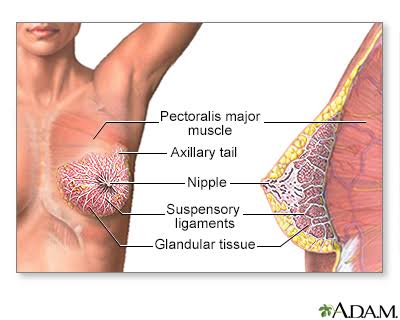
Breast pain can originate from the breast tissue itself or from nearby structures such as the chest wall, muscles, ribs or nerves. This distinction is important because not every pain felt around the breast is actually caused by a breast problem.
Is Breast Pain Common in Women?
Yes. Breast pain is a common reason women seek medical advice.
Hormonal fluctuations associated with the menstrual cycle are among the most frequent causes of breast tenderness, particularly in women who are still having periods. Breast pain can also occur during pregnancy, breastfeeding and perimenopause.
Although breast pain is common, the pattern matters. Cyclical pain that appears before menstruation is generally different from persistent pain affecting one specific area.
Understanding the characteristics of the pain can help a healthcare professional determine whether further evaluation is necessary.
What Are the Main Types of Breast Pain?
Breast pain is commonly classified according to its pattern and possible origin.
| Type of Breast Pain | Typical Characteristics |
| Cyclical breast pain | Changes with the menstrual cycle and often occurs before periods |
| Non-cyclical breast pain | Does not consistently follow the menstrual cycle |
| Extramammary pain | Comes from muscles, ribs, nerves or the chest wall rather than breast tissue |
| Pregnancy-related pain | Breast tenderness associated with hormonal changes during pregnancy |
| Breastfeeding-related pain | May occur due to engorgement, blocked ducts or infection |
A woman can experience more than one type of pain at the same time. For example, hormonal breast tenderness can coexist with chest-wall muscle pain.
What Causes Breast Pain in Women?
There are many potential causes of breast pain.
Hormonal fluctuations are among the most common. Changes in estrogen and progesterone during the menstrual cycle can cause breast tissue to become swollen, sensitive or tender.
Other causes include pregnancy, breastfeeding, breast cysts, infections such as mastitis, trauma, certain medications and chest-wall problems.
| Cause | How It May Cause Breast Pain |
| Menstrual hormonal changes | Hormonal fluctuations can cause breast swelling and tenderness |
| Pregnancy | Increased hormonal activity can make breasts sensitive |
| Breastfeeding | Engorgement, blocked ducts or infection may cause pain |
| Breast cysts | Fluid-filled cysts may cause localized tenderness |
| Mastitis | Breast inflammation or infection can cause pain and swelling |
| Chest-wall pain | Muscles, ribs or nerves can create pain perceived in the breast |
| Trauma | Injury can result in localized tenderness |
| Certain medicines | Some medicines can contribute to breast tenderness |
| Hormonal therapy | Hormonal changes may increase breast sensitivity |
Because breast pain has multiple causes, persistent symptoms should be evaluated according to their pattern and associated signs.
Can Periods Cause Breast Pain?
Yes. Menstrual hormonal changes are one of the most common causes of breast pain.
Cyclical breast pain typically begins during the days or weeks before menstruation and may improve when the period begins or shortly afterward.
The pain may affect both breasts and is often described as heaviness, swelling, aching or tenderness. It may also extend toward the armpit.
This type of breast pain is usually related to normal hormonal fluctuations rather than a serious breast disease.
What Is Cyclical Breast Pain?
Cyclical breast pain is breast discomfort that follows a predictable relationship with the menstrual cycle.
It is commonly associated with hormonal fluctuations during the second half of the menstrual cycle. The breasts may feel swollen, heavy, tender or painful before menstruation.
| Feature | Cyclical Breast Pain |
| Relationship with periods | Usually follows the menstrual cycle |
| Common timing | Often worse before menstruation |
| Usually affects | Both breasts |
| Sensation | Aching, heaviness, swelling or tenderness |
| Improvement | Often improves around or after menstruation |
Keeping track of when breast pain occurs in relation to periods can help identify whether the pain is cyclical.
Can Pregnancy Cause Breast Pain?
Yes. Breast tenderness is common during pregnancy.
Pregnancy causes substantial hormonal changes that prepare the breasts for milk production. As a result, the breasts may become larger, heavier, more sensitive or tender.
Some women notice breast pain or sensitivity very early in pregnancy. The nipples may also become more sensitive.
Although pregnancy-related breast tenderness is usually normal, severe localized pain, redness, fever or a new persistent lump should be medically evaluated.
Why Do Breasts Hurt During Breastfeeding?
Breast pain during breastfeeding can have several causes.
Breast engorgement occurs when the breasts become overly full with milk and can cause significant tenderness and tightness. A blocked milk duct can also cause localized pain.
Mastitis, which involves inflammation of the breast and may be associated with infection, can cause pain, swelling, warmth and sometimes fever.
| Breastfeeding Problem | Possible Symptoms |
| Engorgement | Full, swollen and painful breasts |
| Blocked milk duct | Localized tender area |
| Mastitis | Pain, redness, warmth and possible fever |
| Nipple injury | Localized nipple or breast pain |
| Improper latch | Nipple and breast discomfort during feeding |
Women experiencing significant breast pain during breastfeeding should seek appropriate medical advice, particularly if fever or increasing redness is present.
What Is Mastitis?
Mastitis is inflammation of breast tissue and can occur during breastfeeding.
It may cause a painful, swollen, warm or red area of the breast. Some women may also develop fever, chills or a feeling of being unwell.
Mastitis should be evaluated promptly when symptoms are significant or worsening because treatment may be required.
Breast pain accompanied by fever and redness should not simply be attributed to normal breastfeeding discomfort.
Can Breast Cysts Cause Pain?
Yes. Some breast cysts can cause localized breast pain or tenderness.
Breast cysts are fluid-filled sacs within the breast tissue and are relatively common, particularly in women between puberty and menopause. Some cysts may become more noticeable or tender around the menstrual cycle.
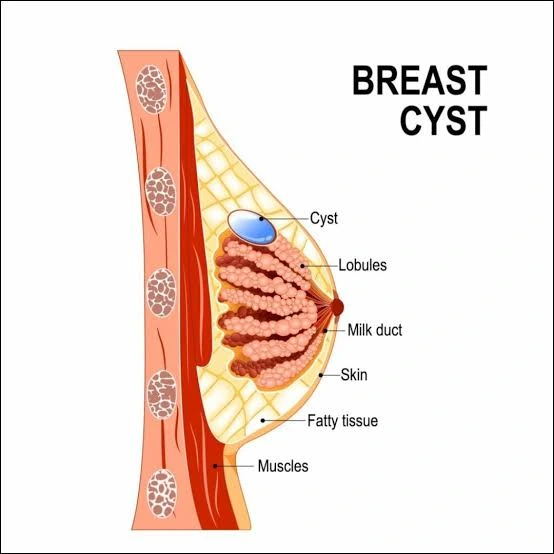
A healthcare professional may recommend breast imaging such as ultrasound when a lump or localized breast symptom requires evaluation.
Can Breast Pain Be Caused by a Breast Lump?
A breast lump and breast pain can occur together, but not every painful lump is dangerous.
Many breast lumps are benign conditions such as cysts or fibroadenomas. However, any new breast lump should be evaluated rather than assumed to be harmless.
The appropriate investigation depends on factors such as age, clinical examination, characteristics of the lump and associated symptoms.
Is Breast Pain a Sign of Breast Cancer?
Breast pain alone is not usually a typical sign of breast cancer. Most breast pain is caused by benign conditions or hormonal changes.
However, this does not mean that every new breast symptom should be ignored. A new breast lump, skin dimpling, nipple inversion, bloody nipple discharge, unexplained changes in breast shape or persistent localized symptoms should be medically assessed.
Breast cancer screening and diagnostic evaluation should be based on age, risk factors, symptoms and applicable screening recommendations.
What Breast Cancer Symptoms Should Women Watch For?
Breast cancer can present in different ways, and some women may have no symptoms in the early stages.
| Breast Change | Why Medical Evaluation May Be Needed |
| New breast lump | Requires assessment to determine its cause |
| Persistent localized breast change | May need clinical and imaging evaluation |
| Skin dimpling | Can be associated with underlying breast changes |
| Nipple inversion | A new change should be evaluated |
| Bloody nipple discharge | Requires medical assessment |
| Change in breast size or shape | New unexplained changes should be checked |
| Persistent swelling | May require further evaluation |
Breast pain without other concerning findings is less commonly associated with breast cancer, but persistent or unusual symptoms should still be discussed with a healthcare professional.
Can Menopause Cause Breast Pain?
Yes. Breast pain can occur during perimenopause and menopause.
During perimenopause, estrogen and progesterone levels can fluctuate significantly. These hormonal changes can produce breast tenderness, swelling and discomfort.
Hormonal medications used during menopause may also influence breast symptoms.
Women experiencing new or persistent breast pain during menopause should not automatically assume that it is hormonal. The pattern and associated symptoms should be evaluated.
Can Stress Cause Breast Pain?
Stress does not necessarily directly cause breast disease, but it can influence how a woman experiences and responds to pain.
Stress may also affect sleep, muscle tension and hormonal patterns, potentially contributing to discomfort.
If breast pain is persistent, localized or associated with other breast changes, it should be evaluated rather than being attributed solely to stress.
Can a Bra Cause Breast Pain?
An improperly fitting or insufficiently supportive bra may contribute to breast or chest discomfort, particularly during exercise.
A well-fitting supportive bra can reduce movement and may improve discomfort in some women with breast tenderness.
However, a bra is unlikely to be the underlying cause of persistent unexplained breast pain. Ongoing symptoms should be evaluated when appropriate.
Can Exercise Cause Breast Pain?
Yes. Physical activity can sometimes cause breast or chest discomfort.
High-impact activities can increase breast movement and cause discomfort, particularly when adequate support is not provided. Exercise can also strain the chest muscles, creating pain that feels as though it originates in the breast.
A supportive sports bra and appropriate exercise technique may help reduce activity-related discomfort.
What Is Non-Cyclical Breast Pain?
Non-cyclical breast pain does not consistently follow the menstrual cycle.
It may affect one specific area of one breast or occur intermittently. Possible causes include breast cysts, inflammation, trauma, medication-related changes or pain originating from the chest wall.
Because persistent localized breast pain has multiple possible causes, clinical evaluation may be recommended when symptoms continue.
What Is Chest-Wall Pain?
Chest-wall pain originates from structures beneath or around the breast rather than the breast tissue itself.
Muscle strain, inflammation around the ribs or other musculoskeletal conditions can create pain that women perceive as breast pain.
The pain may worsen with movement, physical activity, pressing on the area or certain body positions.
A clinical examination can help distinguish breast-related pain from musculoskeletal pain.
When Should You See a Doctor for Breast Pain?
Not every episode of breast tenderness requires urgent medical attention. However, medical evaluation is appropriate when pain persists, is severe, is localized to one area, keeps returning without a clear pattern or interferes with daily life.
A new breast lump, nipple discharge, skin changes, nipple changes or unexplained swelling should also be evaluated.
| Breast Pain Situation | Recommended Approach |
| Mild pain before periods | Track symptoms and discuss if persistent |
| Pain during pregnancy | Mention during routine prenatal care |
| Pain during breastfeeding | Evaluate if severe or associated with fever/redness |
| Persistent localized pain | Consider clinical assessment |
| Pain with new lump | Medical evaluation recommended |
| Pain with bloody discharge | Prompt medical evaluation |
| Pain with skin or nipple changes | Medical evaluation recommended |
How Is Breast Pain Diagnosed?
The evaluation usually begins with a detailed medical history and clinical breast examination.
A doctor may ask about the location, severity and duration of the pain and whether it changes with the menstrual cycle. Information about pregnancy, breastfeeding, medications, hormonal contraception, previous breast conditions and family history may also be relevant.
If examination findings or symptoms warrant further investigation, imaging may be recommended.
| Assessment | Purpose |
| Medical history | Identifies timing and possible causes |
| Breast examination | Evaluates tenderness, lumps and other changes |
| Menstrual history | Determines whether pain is cyclical |
| Breast ultrasound | Can evaluate certain breast findings |
| Mammography | May be appropriate depending on age and clinical indication |
| Additional tests | Used when clinically indicated |
The choice of investigation should be individualized rather than based on breast pain alone.
Is Breast Ultrasound Needed for Breast Pain?
Not every woman with breast pain needs an ultrasound.
Ultrasound may be useful when a healthcare professional identifies a lump or localized abnormality, particularly in certain age groups or clinical situations.
The decision depends on age, examination findings, symptoms and other risk factors.
Women should not assume that an imaging test is always necessary simply because breast pain is present.
Is Mammography Needed for Breast Pain?
Mammography may be recommended depending on the woman’s age, screening status, breast symptoms and clinical findings.
Breast pain alone does not automatically mean that a mammogram is required. However, women who are due for routine breast cancer screening should continue appropriate screening according to their healthcare provider’s recommendations.
When a new breast symptom is present, the doctor may recommend diagnostic imaging rather than routine screening alone.
How Is Breast Pain Treated?
Treatment depends on the underlying cause.
Hormonal breast tenderness may be managed through reassurance, supportive measures and appropriate pain relief when necessary. Breastfeeding-related conditions require treatment based on the specific cause. A breast cyst or another structural finding may require a different approach.
| Cause | Possible Management |
| Cyclical breast pain | Supportive care and symptom management |
| Pregnancy-related tenderness | Reassurance and supportive measures |
| Breastfeeding problems | Lactation and medical management depending on cause |
| Mastitis | Medical treatment based on severity and cause |
| Breast cyst | Observation or further management when indicated |
| Chest-wall pain | Management directed at the musculoskeletal cause |
| Medication-related pain | Medication review with the treating doctor |
Self-medication should be avoided when the cause of breast pain is unclear.
Can Painkillers Help Breast Pain?
Over-the-counter pain relievers may help some women with breast discomfort, but they are not appropriate for everyone.
The choice of medication depends on factors such as pregnancy, breastfeeding, allergies, kidney or liver problems, stomach conditions and other medicines being taken.
Women should follow appropriate medical or pharmacist guidance, particularly when pain is persistent.
Can Lifestyle Changes Reduce Breast Pain?
Some women find that supportive bras, appropriate physical activity, stress management and tracking symptoms around the menstrual cycle can help manage breast discomfort.
Reducing or modifying certain triggers may also be helpful for some individuals, although there is no single lifestyle change that works for every woman.
Persistent pain should still be evaluated when it has no clear explanation or is associated with other breast symptoms.
Breast Pain During Periods vs Breast Pain Outside Periods
The relationship between breast pain and menstruation can provide useful clinical information.
| Feature | Period-Related Pain | Non-Cyclical Pain |
| Timing | Usually follows menstrual cycle | Does not follow a predictable cycle |
| Common pattern | Often bilateral | May be localized or unilateral |
| Common sensation | Tenderness, heaviness or aching | Localized pain or burning may occur |
| Hormonal association | Stronger | Less directly associated with hormones |
| Evaluation | Often based on history | May require further assessment if persistent |
Keeping a simple record of pain and menstrual dates can help identify the pattern.
Breast Pain in Young Women
Breast pain can occur in teenagers and young adult women because breast tissue responds to hormonal changes.
Menstrual cycles, hormonal contraception, breast development and physical activity can all influence breast sensitivity.
A new breast lump or unusual persistent breast change should still be evaluated regardless of age.
Breast Pain in Women Over 40
Women over 40 may experience breast pain due to hormonal fluctuations, perimenopause, cysts, medications or other causes.
At this stage of life, appropriate breast health evaluation and age-appropriate screening become increasingly important.
A woman should discuss new persistent breast symptoms with her healthcare provider rather than assuming that they are simply due to age or menopause.
Breast Pain During Pregnancy and Breastfeeding
Breast tenderness during pregnancy is common because the breasts undergo hormonal and structural changes.
During breastfeeding, pain may be caused by engorgement, blocked ducts, nipple injury or mastitis.
Persistent pain, fever, redness or a worsening localized breast problem should be assessed promptly.
Breast Pain Treatment in Indore With Dr. Yogita Gautam
Women experiencing persistent or unexplained breast pain can seek a professional gynecological evaluation.
Dr. Yogita Gautam – Gynecologist in Indore provides consultation for women’s health and gynecological concerns at her clinic located at G1, 158-159, Shakti Tower, near Shakuntala Hospital, Sector A, Goyal Nagar, Indore, Madhya Pradesh 452001.
Women can discuss concerns such as cyclical breast pain, breast tenderness, breast pain during menopause, pregnancy-related breast changes and breastfeeding-related discomfort during consultation.
For appointment-related information, the clinic can be contacted at 099772 13545.
The clinic is located in Indore, and patients from nearby areas, including Dewas, may also travel to Indore for gynecological consultation.
Why Professional Evaluation Matters for Breast Pain
Breast pain can have a simple hormonal explanation, but symptoms can sometimes overlap with other breast conditions.
A proper medical assessment helps distinguish cyclical hormonal tenderness from conditions such as cysts, inflammation, infections, medication-related symptoms or chest-wall pain.
When a woman has a new lump, nipple discharge, skin changes or another concerning breast symptom, timely evaluation becomes particularly important.
Frequently Asked Questions About Breast Pain in Women
What is the most common cause of breast pain in women?
Hormonal fluctuations associated with the menstrual cycle are among the most common causes of breast pain, particularly in women who are still menstruating.
Is breast pain a sign of cancer?
Breast pain alone is not usually a typical sign of breast cancer. Most breast pain is associated with benign or hormonal causes. However, persistent pain or pain accompanied by a new lump, nipple discharge, skin changes or other unusual symptoms should be medically evaluated.
Why do my breasts hurt before my period?
Hormonal fluctuations before menstruation can cause breast tissue to become swollen, sensitive and tender. This is known as cyclical breast pain.
Can breast pain occur during pregnancy?
Yes. Hormonal changes during pregnancy commonly cause breast tenderness and sensitivity.
Why does my breast hurt while breastfeeding?
Breastfeeding-related breast pain can occur because of engorgement, blocked milk ducts, nipple injury or mastitis. Pain associated with fever, redness or increasing swelling should be evaluated.
Can menopause cause breast pain?
Yes. Hormonal fluctuations during perimenopause and menopause can cause breast tenderness. Hormonal medications may also influence breast symptoms.
Can a breast cyst cause pain?
Yes. Some breast cysts can cause localized tenderness or pain, particularly when they become larger or more tense.
Should I worry about pain in only one breast?
Pain affecting one breast does not automatically mean that something serious is present. However, persistent localized or unexplained one-sided breast pain should be evaluated, particularly when associated with a lump or other breast changes.
When should I see a doctor for breast pain?
You should seek medical evaluation if breast pain is persistent, severe, localized, unexplained, repeatedly returning or accompanied by a lump, nipple discharge, skin changes, nipple inversion or other new breast symptoms.
Is breast pain normal before periods?
Yes. Breast tenderness before menstruation is common and is often caused by normal hormonal fluctuations.
Can stress cause breast pain?
Stress can influence pain perception and may contribute indirectly through muscle tension or other changes, but persistent breast pain should not automatically be attributed to stress.
Can wearing the wrong bra cause breast pain?
An improperly fitting or poorly supportive bra can contribute to breast or chest discomfort, particularly during physical activity. Persistent pain should still be assessed when appropriate.
Does breast pain require a mammogram?
Not necessarily. The need for mammography depends on age, screening status, clinical examination, risk factors and the nature of the symptoms.
Does every breast pain case require an ultrasound?
No. Ultrasound is recommended selectively depending on clinical findings, age and symptoms. A doctor can determine whether imaging is appropriate.
Can breast pain be treated?
Yes. Treatment depends on the underlying cause. Hormonal pain, infection, cysts, breastfeeding-related problems and chest-wall pain may require different management strategies.
Can breast pain occur without a lump?
Yes. Hormonal changes, inflammation, muscle pain and other conditions can cause breast pain without a palpable lump.
Is breast pain common after 40?
Breast pain can occur after 40, particularly during perimenopause when hormonal levels fluctuate. However, new or persistent breast symptoms should be evaluated.
Can women from Dewas consult Dr. Yogita Gautam in Indore?
Yes. Dr. Yogita Gautam – Gynecologist in Indore has her clinic at G1, 158-159, Shakti Tower, near Shakuntala Hospital, Sector A, Goyal Nagar, Indore, Madhya Pradesh 452001. Patients from Dewas and nearby areas can travel to Indore for gynecological consultation.
Where is Dr. Yogita Gautam’s clinic located?
The clinic is located at G1, 158-159, Shakti Tower, near Shakuntala Hospital, Sector A, Goyal Nagar, Indore, Madhya Pradesh 452001.
What is the contact number for Dr. Yogita Gautam?
For appointment-related information, the clinic can be contacted at 099772 13545.
Conclusion
Breast pain in women is common and is often related to hormonal changes, particularly those associated with the menstrual cycle, pregnancy, breastfeeding and perimenopause. Other possible causes include breast cysts, mastitis, trauma, certain medicines and pain originating from the chest wall.
Most breast pain is not caused by breast cancer. However, women should not ignore a new or persistent breast symptom, especially when pain is associated with a new lump, nipple discharge, skin dimpling, nipple inversion, unexplained swelling or a change in breast shape.
Understanding whether breast pain is cyclical or non-cyclical can provide useful information. A healthcare professional can assess the symptoms, perform a clinical examination and recommend breast ultrasound, mammography or other investigations when clinically appropriate.
Treatment depends on the cause. Hormonal breast tenderness may require supportive management, while infections, cysts, breastfeeding complications and other conditions may require specific treatment.
For women looking for breast pain treatment in Indore, Dr. Yogita Gautam – Gynecologist in Indore provides gynecological consultation at G1, 158-159, Shakti Tower, near Shakuntala Hospital, Sector A, Goyal Nagar, Indore, Madhya Pradesh 452001. For appointment-related information, patients can contact 099772 13545.
Women from Indore, Dewas and nearby areas can seek professional evaluation rather than ignoring persistent breast pain or attempting to diagnose the cause themselves.