
Urinary leakage in women, also called urinary incontinence, is a common condition in which urine leaks involuntarily. It can happen while coughing, sneezing, laughing, exercising, lifting something heavy, or when there is a sudden and difficult-to-control urge to urinate. Although urinary leakage is common, it is not something women simply have to accept as a normal part of aging. With proper evaluation, many women can significantly improve their symptoms through lifestyle changes, pelvic floor exercises, medicines, devices, or procedures depending on the underlying cause.
Urinary leakage can affect women of different ages and may occur during pregnancy, after childbirth, around menopause, or later in life. It can also be associated with urinary tract infections, constipation, obesity, pelvic floor weakness, certain neurological conditions and some medications.
Women experiencing persistent urinary leakage in Indore can consult Dr. Yogita Gautam – Gynecologist in Indore at her clinic located at G1, 158-159, Shakti Tower, near Shakuntala Hospital, Sector A, Goyal Nagar, Indore, Madhya Pradesh 452001. For appointment-related information, the clinic can be contacted at 099772 13545.
What Is Urinary Leakage in Women?
Urinary leakage means involuntary loss of urine. It may range from a few drops of urine to a larger amount of leakage that can interfere with daily activities.
Urinary incontinence occurs when the bladder, urethra, pelvic floor muscles or the nervous system cannot coordinate properly to store and release urine. The exact mechanism depends on the type of urinary incontinence.
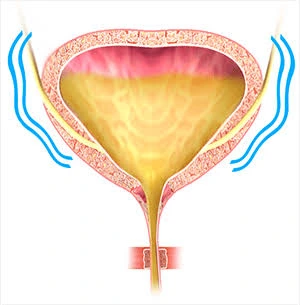
Some women leak urine when pressure is placed on the bladder, while others experience a sudden urge followed by leakage. Some women may experience both patterns.
Because urinary leakage has several possible causes, identifying the type of incontinence is an important part of treatment.
How Common Is Urinary Incontinence in Women?
Urinary incontinence is common among women, particularly during pregnancy, after childbirth and with increasing age. However, it can also affect younger women.
Pregnancy can place pressure on the bladder and pelvic floor, while childbirth may stretch or weaken pelvic floor muscles and supporting tissues. Hormonal changes around menopause can also contribute to urinary symptoms.
Despite being common, urinary leakage can have a considerable impact on confidence, physical activity, social life and emotional well-being. Many women avoid discussing it because they feel embarrassed, but urinary incontinence is a medical issue that can be evaluated and treated.
What Are the Main Types of Urinary Leakage?
Urinary leakage is not a single condition. The symptoms often indicate which type of urinary incontinence a woman may have.
| Type of Urinary Incontinence | Typical Pattern |
| Stress incontinence | Leakage during coughing, sneezing, laughing, exercise or lifting |
| Urge incontinence | Sudden strong urge to urinate followed by leakage |
| Mixed incontinence | Combination of stress and urge incontinence |
| Overflow incontinence | Bladder does not empty completely and urine leaks afterward |
| Functional incontinence | Difficulty reaching or using the toilet because of physical or cognitive limitations |
| Temporary incontinence | Leakage caused by a temporary condition such as infection or constipation |
A woman can have more than one type of urinary incontinence. Mixed urinary incontinence, for example, combines symptoms of stress and urge incontinence.
What Is Stress Urinary Incontinence?
Stress urinary incontinence is one of the most common forms of urinary leakage in women.
It occurs when urine leaks because pressure inside the abdomen increases and the bladder is unable to remain closed. This can happen during coughing, sneezing, laughing, running, jumping, exercising or lifting heavy objects.
Stress incontinence is often associated with weakness or reduced support of the pelvic floor and urethral structures. Pregnancy and vaginal childbirth can contribute to these changes.
| Situation | Why Leakage May Occur |
| Coughing | Sudden increase in abdominal pressure |
| Sneezing | Increased pressure on bladder |
| Laughing | Pressure can temporarily exceed urethral closure |
| Running | Repeated impact and pressure on pelvic floor |
| Jumping | Sudden pelvic pressure |
| Lifting | Increased abdominal pressure |
If leakage occurs mainly during these activities without a strong urge to urinate beforehand, stress urinary incontinence may be a possibility.
What Is Urge Urinary Incontinence?
Urge urinary incontinence occurs when a sudden, strong urge to urinate is followed by involuntary urine leakage.
Women with urge incontinence may feel that they need to reach the bathroom immediately. Sometimes the urge is so strong that urine leaks before they reach the toilet.
Urge incontinence is often associated with overactive bladder, although the two terms are not exactly identical. Urge incontinence can have different underlying causes, and evaluation is important when symptoms are persistent.
What Is Mixed Urinary Incontinence?
Mixed urinary incontinence occurs when a woman has both stress and urge incontinence.
For example, she may leak urine while sneezing or exercising and also experience sudden urges that result in leakage.
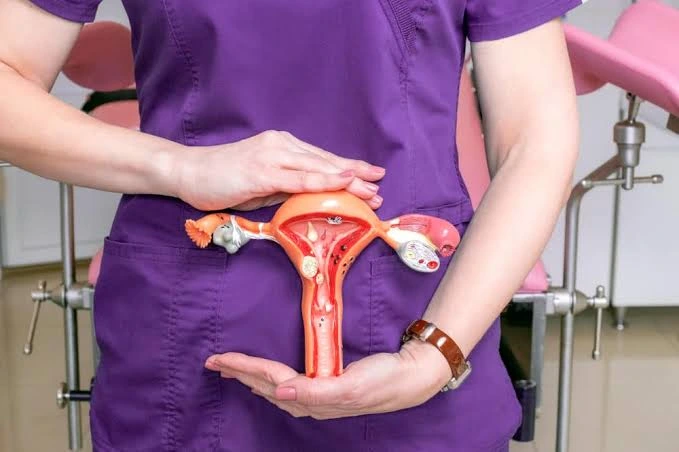
Because two patterns are present, treatment may need to address both pelvic floor weakness and bladder urgency.
What Causes Urinary Leakage in Women?
There are many possible causes of urinary leakage.
Pregnancy and childbirth are important risk factors because they can place stress on pelvic floor muscles and supporting tissues. Menopause and aging can also contribute to urinary symptoms. Other factors include obesity, chronic coughing, constipation, recurrent urinary infections, neurological conditions and certain medications.
| Possible Cause | How It May Contribute |
| Pregnancy | Increased pressure on bladder and pelvic floor |
| Childbirth | Stretching or weakening of pelvic floor structures |
| Menopause | Hormonal changes may affect urinary and vaginal tissues |
| Pelvic floor weakness | Reduced support for bladder and urethra |
| Obesity | Increased pressure on bladder |
| Chronic cough | Repeated abdominal pressure |
| Constipation | Pressure on bladder and pelvic structures |
| Urinary infection | Temporary urgency and leakage |
| Neurological conditions | Can interfere with bladder control |
| Certain medicines | Some medications can affect bladder function |
The presence of one risk factor does not necessarily mean it is the only reason for urinary leakage.
Can Pregnancy Cause Urinary Leakage?
Yes. Urinary leakage can occur during pregnancy.
As pregnancy progresses, the growing uterus places increasing pressure on the bladder. Hormonal changes and changes in pelvic floor function can also contribute.
Some women notice leakage particularly when coughing, sneezing or laughing during pregnancy. For many women, symptoms improve after delivery, while others may continue to experience urinary incontinence after childbirth.
Persistent leakage after pregnancy should be discussed with a healthcare professional rather than being automatically considered normal.
Why Does Urinary Leakage Happen After Childbirth?
Childbirth can affect the muscles, nerves and connective tissues involved in bladder control.
During vaginal delivery, the pelvic floor may stretch considerably. In some women, this can reduce the ability of the pelvic floor and urethral structures to provide adequate support.
The likelihood and severity of urinary leakage can vary depending on individual pregnancy and delivery factors.
Pelvic floor rehabilitation can be an important part of recovery for women experiencing urinary leakage after childbirth.
Can Menopause Cause Urinary Leakage?
Menopause can be associated with urinary symptoms.
The decline in estrogen around and after menopause can affect the tissues of the vagina and urinary tract. Some women experience urinary urgency, frequency, recurrent urinary tract infections or changes in bladder control.
However, urinary leakage after menopause should not simply be dismissed as an unavoidable consequence of aging. Different types of incontinence require different treatment approaches.
Can Weak Pelvic Floor Muscles Cause Urinary Leakage?
Yes. Weakness or reduced coordination of pelvic floor muscles can contribute to urinary incontinence, particularly stress urinary incontinence.
The pelvic floor muscles help support the bladder and urethra and contribute to bladder control. Pregnancy, childbirth, aging and other factors can affect their strength and function.
Pelvic floor muscle training is therefore an important conservative treatment for many women with urinary incontinence.
What Are the Symptoms of Urinary Incontinence?
The main symptom is involuntary urine leakage, but the exact symptoms depend on the type of urinary incontinence.
Women may notice leakage when coughing, sneezing or exercising. Others may experience a sudden urge to urinate, frequent trips to the bathroom, nighttime urination or difficulty reaching the toilet in time.
| Symptom | Possible Pattern |
| Leakage while coughing | Often associated with stress incontinence |
| Leakage while sneezing | May indicate stress incontinence |
| Leakage during exercise | Common with stress incontinence |
| Sudden strong urge | Associated with urge incontinence |
| Leakage before reaching toilet | Common with urge incontinence |
| Frequent urination | Can occur with overactive bladder |
| Nighttime urination | May accompany various urinary conditions |
| Post-void dribbling | May require further evaluation |
The symptoms alone cannot always establish the diagnosis, which is why medical assessment can be useful.
When Should Women See a Doctor for Urinary Leakage?
Women should consider medical evaluation when urinary leakage is persistent, increasing, interfering with exercise or daily activities, affecting sexual or social life, or causing emotional distress.
Medical attention is particularly important if leakage is accompanied by pain while urinating, blood in the urine, fever, recurrent urinary infections, difficulty emptying the bladder or sudden changes in bladder control.
Urinary leakage that begins suddenly may sometimes be related to an infection, medication or another medical condition and should be evaluated accordingly.
How Is Urinary Incontinence Diagnosed?
Diagnosis usually begins with a detailed medical history and discussion of urinary symptoms.
A doctor may ask how often leakage occurs, what triggers it, whether there is urgency, how frequently the woman urinates, whether she wakes during the night to urinate and whether there is pain or blood in the urine.
A physical examination may be performed when appropriate. Depending on the symptoms, urine testing or other investigations may be recommended.
Keeping a bladder diary can also provide useful information about fluid intake, urination frequency, urgency and episodes of leakage.
| Evaluation | Purpose |
| Medical history | Identifies risk factors and symptom pattern |
| Physical examination | Evaluates relevant pelvic and physical factors |
| Urine test | Helps identify infection or other urinary abnormalities |
| Bladder diary | Records urination and leakage patterns |
| Additional testing | May be considered when the diagnosis is unclear |
Not every woman needs extensive testing. Investigations are generally selected according to symptoms and clinical findings.
What Is the Treatment for Urinary Leakage in Women?
Treatment depends on the type and severity of urinary incontinence and its underlying cause.
Many women benefit from conservative approaches such as pelvic floor muscle training, bladder training, weight management and changes in fluid or lifestyle habits. Some women may require medicines, devices or surgical treatment depending on the type of incontinence.
| Treatment Approach | Common Role |
| Pelvic floor muscle training | Strengthens and improves pelvic floor function |
| Bladder training | Helps improve bladder control and urgency |
| Lifestyle changes | Addresses factors that can worsen symptoms |
| Weight management | May reduce pressure on the bladder |
| Medicines | Used for selected types of urinary incontinence |
| Vaginal treatments | May be considered in selected postmenopausal women |
| Medical devices | Can help selected women with stress incontinence |
| Procedures or surgery | Considered when conservative treatment is insufficient |
Treatment should be individualized rather than based solely on the amount of leakage.
What Are Kegel Exercises?
Kegel exercises are pelvic floor muscle exercises designed to strengthen and improve control of the muscles that support the bladder and urethra.
When performed correctly and consistently, pelvic floor muscle training can help many women with stress urinary incontinence.
The important factor is correct technique. Some women unintentionally contract their abdominal, thigh or buttock muscles instead of the pelvic floor muscles. A healthcare professional or pelvic floor physiotherapist can help confirm proper technique when necessary.
How Do Pelvic Floor Exercises Help Urinary Leakage?
Pelvic floor exercises can improve the strength, endurance and coordination of pelvic floor muscles.
When these muscles contract appropriately, they can provide better support around the bladder outlet and urethra, particularly when abdominal pressure increases.
Improvement generally requires consistent practice over time. Pelvic floor exercises are not an instant solution, and women should follow an appropriate training program rather than performing random contractions throughout the day.
What Is Bladder Training?
Bladder training is a behavioral approach used particularly for urinary urgency and urge incontinence.
The goal is to gradually improve the ability to delay urination and establish a more controlled toileting pattern. It may involve scheduled bathroom visits and techniques to manage sudden urgency.
Bladder training is often used alongside other conservative treatments when appropriate.
Can Weight Loss Help Urinary Leakage?
For women who are overweight or obese, weight reduction may help reduce urinary leakage.
Excess body weight can increase pressure on the bladder and pelvic floor. Reducing this pressure may improve symptoms in some women.
Weight management should be approached as part of overall health rather than as a standalone cure for urinary incontinence.
Can Constipation Make Urinary Leakage Worse?
Yes. Constipation can affect bladder function because the bowel and bladder are located close to each other within the pelvis.
A chronically full bowel may place additional pressure on the bladder, while repeated straining can also affect pelvic floor function.
Managing constipation through appropriate diet, hydration, physical activity and medical treatment when needed may therefore be useful for women with urinary symptoms.
Can Coughing Cause Urine Leakage?
Chronic coughing can increase pressure inside the abdomen.
Repeated pressure may contribute to stress urinary incontinence, particularly in women whose pelvic floor or urethral support is already weakened.
Women experiencing persistent cough together with urinary leakage should address both problems rather than treating the leakage alone.
What Medicines Are Used for Urinary Incontinence?
Medicines may be prescribed for selected women, particularly those with urge urinary incontinence or overactive bladder symptoms.
Different medications work through different mechanisms and can have side effects or contraindications. The choice depends on the woman’s age, symptoms, other medical conditions and medications.
Prescription treatment should therefore be selected by a qualified healthcare professional rather than started without medical advice.
Is Surgery Needed for Urinary Leakage?
Surgery is not required for every woman with urinary leakage.
Many women can improve with pelvic floor training, behavioral treatment, lifestyle changes and other conservative measures. However, women with persistent stress urinary incontinence who do not respond adequately to conservative treatment may be candidates for procedures or surgery.
The decision depends on the type of incontinence, severity of symptoms, previous treatments, health status and individual preferences.
Can Urinary Leakage Be Prevented?
Not every case of urinary incontinence can be prevented, but certain habits may reduce risk or help maintain bladder and pelvic floor health.
Maintaining a healthy body weight, managing constipation, avoiding smoking, treating chronic cough and performing appropriate pelvic floor exercises can be beneficial.
Pregnancy and childbirth-related changes cannot always be avoided, but appropriate pelvic floor rehabilitation can support recovery after delivery.
Urinary Leakage in Women After 40
Urinary leakage can become more noticeable in women after 40 because several risk factors may accumulate over time.
Previous pregnancies and childbirth, hormonal changes, weight changes, pelvic floor weakness and the transition toward menopause may all influence bladder control.
However, urinary leakage at this age is treatable and should not be accepted simply as an unavoidable part of getting older.
Urinary Leakage After Menopause
Postmenopausal women may experience urinary leakage alongside vaginal dryness, urinary urgency or recurrent urinary infections.
Hormonal changes can influence the tissues of the vagina and urinary tract, but other causes of urinary leakage remain possible.
A gynecological consultation can help determine whether symptoms are related to menopause, pelvic floor weakness, overactive bladder or another condition.
Urinary Leakage After Delivery
Urinary leakage after childbirth is relatively common, particularly after vaginal delivery.
Some women experience temporary leakage that improves during postpartum recovery. Others may continue to experience symptoms because of pelvic floor weakness or other changes associated with pregnancy and childbirth.
Persistent urinary leakage after delivery deserves attention, especially if it affects exercise, daily activities or quality of life.
Can Urinary Leakage Affect a Woman’s Quality of Life?
Yes. Urinary incontinence can affect much more than physical comfort.
Women may avoid exercise, social gatherings, travel or situations where a bathroom may not be readily available. Some may experience embarrassment, anxiety or reduced confidence.
Sexual relationships can also be affected when women worry about leakage during intimacy.
Recognizing urinary incontinence as a medical condition can help women seek appropriate treatment instead of changing their lifestyle around the condition.
Urinary Leakage Treatment in Indore With Dr. Yogita Gautam
Women experiencing urinary leakage can seek a professional gynecological evaluation to understand the likely cause and appropriate treatment options.
Dr. Yogita Gautam – Gynecologist in Indore provides gynecological consultation at her clinic at G1, 158-159, Shakti Tower, near Shakuntala Hospital, Sector A, Goyal Nagar, Indore, Madhya Pradesh 452001.
Women can discuss concerns such as urine leakage after childbirth, urinary leakage during coughing or sneezing, bladder urgency, menopause-related urinary symptoms and other women’s health concerns during consultation.
For appointment-related information, the clinic can be contacted at 099772 13545.
The clinic is located in Indore, and patients from nearby areas, including Dewas, may also travel to Indore for gynecological consultation.
Why Choose Professional Evaluation for Urinary Leakage?
Urinary leakage can have different causes, and the treatment that works for one woman may not be appropriate for another.
For example, pelvic floor exercises can be particularly useful for stress incontinence, while urgency-related symptoms may require bladder training, lifestyle modifications or medication. Women with mixed symptoms may need a combination of approaches.
A professional evaluation helps establish the likely type of urinary incontinence and determine whether additional investigation is necessary.
Frequently Asked Questions About Urinary Leakage in Women
Is urinary leakage normal in women?
Urinary leakage is common, particularly during pregnancy, after childbirth and with increasing age, but it should not be considered something women must simply live with. Many forms of urinary incontinence can be managed or treated.
What is the most common cause of urine leakage in women?
Pelvic floor weakness and changes associated with pregnancy and childbirth are important contributors, particularly for stress urinary incontinence. Menopause, aging, obesity, constipation and other conditions can also contribute.
Why do I leak urine when I sneeze?
Urine leakage during sneezing is commonly associated with stress urinary incontinence. Sneezing suddenly increases abdominal pressure, and if the pelvic floor and urethral support cannot maintain closure, urine may leak.
Why do I leak urine when I cough?
Coughing increases pressure inside the abdomen. If bladder and urethral support is insufficient, urine can leak. This pattern is commonly associated with stress urinary incontinence.
Can Kegel exercises stop urinary leakage?
Pelvic floor muscle training can improve symptoms in many women, particularly those with stress urinary incontinence. Correct technique and consistent practice are important.
Can urinary leakage happen after childbirth?
Yes. Pregnancy and childbirth can affect pelvic floor muscles and supporting tissues, and urinary leakage may occur during or after pregnancy.
Can menopause cause urinary leakage?
Menopause can contribute to urinary symptoms because hormonal changes can affect vaginal and urinary tissues. However, other causes should also be considered.
Can urinary leakage be cured without surgery?
Many women can improve with non-surgical treatment. Pelvic floor muscle training, bladder training, lifestyle changes and appropriate medical treatment can be effective depending on the type of incontinence.
When should I see a gynecologist for urine leakage?
You should consider consultation if leakage is persistent, worsening, affecting daily life or exercise, interfering with social activities, or associated with pain, blood in urine, recurrent infections or difficulty emptying the bladder.
Is urinary leakage only a problem for older women?
No. Urinary leakage can affect younger women, including during pregnancy and after childbirth. It can also occur because of pelvic floor problems or other medical conditions.
Can overweight women experience more urinary leakage?
Excess body weight can increase pressure on the bladder and pelvic floor and may contribute to urinary incontinence. Weight management may improve symptoms in some women.
Can constipation cause urinary leakage?
Constipation can place pressure on the bladder and may contribute to urinary symptoms. Managing constipation may help improve bladder control in some women.
What is the difference between stress and urge incontinence?
Stress incontinence causes leakage with activities that increase abdominal pressure, such as coughing, sneezing or exercising. Urge incontinence involves a sudden strong need to urinate followed by leakage.
Can a urinary infection cause temporary leakage?
Yes. A urinary tract infection can cause urgency, frequency and sometimes leakage. Treating the underlying infection may resolve these symptoms.
Can urinary leakage be treated after menopause?
Yes. Treatment depends on the cause and may include pelvic floor exercises, bladder training, lifestyle measures, medicines and selected vaginal or other medical treatments.
Where can I consult for urinary leakage in Indore?
Women seeking gynecological consultation for urinary leakage in Indore can contact Dr. Yogita Gautam – Gynecologist in Indore at G1, 158-159, Shakti Tower, near Shakuntala Hospital, Sector A, Goyal Nagar, Indore, Madhya Pradesh 452001.
What is the contact number for Dr. Yogita Gautam?
For appointment-related information, the clinic contact number is 099772 13545.
Can patients from Dewas consult Dr. Yogita Gautam in Indore?
Yes. The clinic is located in Indore, and women from nearby areas such as Dewas can travel to Indore for gynecological consultation when required.
Conclusion
Urinary leakage in women is common, but it should not be ignored or accepted as an unavoidable part of aging, pregnancy or motherhood. Stress incontinence, urge incontinence and mixed incontinence can have different causes and therefore require different treatment approaches.
Pregnancy, childbirth, pelvic floor weakness, menopause, obesity, constipation, chronic coughing, urinary infections, neurological conditions and certain medicines can all contribute to urinary symptoms. Identifying the pattern of leakage is an important first step toward selecting the right treatment.
For many women, conservative measures such as pelvic floor muscle training, bladder training, healthy weight management and appropriate lifestyle changes can provide significant improvement. Some women may require medicines, vaginal treatments, devices or procedures depending on the underlying condition.
Women experiencing persistent urinary leakage, painful urination, recurrent urinary infections, blood in the urine, difficulty emptying the bladder or significant changes in bladder control should seek professional medical evaluation.
For women looking for urinary leakage treatment in Indore, Dr. Yogita Gautam – Gynecologist in Indore provides gynecological consultation at G1, 158-159, Shakti Tower, near Shakuntala Hospital, Sector A, Goyal Nagar, Indore, Madhya Pradesh 452001. For appointment-related information, the clinic can be contacted at 099772 13545.
Women from Indore, Dewas and nearby areas can seek appropriate gynecological guidance rather than allowing urinary leakage to interfere with their daily life, confidence and overall well-being.