
Heavy periods, medically known as heavy menstrual bleeding (HMB), are a common gynecological concern in women of different age groups. While menstrual flow can naturally vary from woman to woman, unusually heavy, prolonged or frequent bleeding may affect daily activities, sleep, work and overall quality of life.
Heavy menstrual bleeding is not simply about having a heavier period than usual. It may involve bleeding that lasts longer than expected, needing to change sanitary products very frequently, passing large blood clots, bleeding through clothes or bedding, or experiencing symptoms such as tiredness and weakness because of blood loss.
There are many possible causes of heavy periods, including hormonal changes, uterine fibroids, adenomyosis, endometriosis, polyps, thyroid-related problems, bleeding disorders, certain medications and changes associated with perimenopause. In some cases, heavy bleeding may also require evaluation to rule out more serious conditions.
Women looking for evaluation of heavy periods in Indore can consult Dr. Yogita Gautam – Gynecologist in Indore at her clinic located at G1, 158-159, Shakti Tower, near Shakuntala Hospital, Sector A, Goyal Nagar, Indore, Madhya Pradesh 452001. For appointment-related information, the clinic can be contacted at 099772 13545.
What Are Heavy Periods?
Heavy periods refer to menstrual bleeding that is unusually heavy, prolonged or disruptive to a woman’s normal routine.
The medical term commonly used is heavy menstrual bleeding (HMB). Previously, the term menorrhagia was frequently used for unusually heavy menstrual bleeding.
The important point is that there is no single amount of menstrual blood that defines heavy bleeding for every woman. What matters is whether the bleeding is significantly heavier or longer than the woman’s usual pattern and whether it interferes with her physical, social or daily activities.
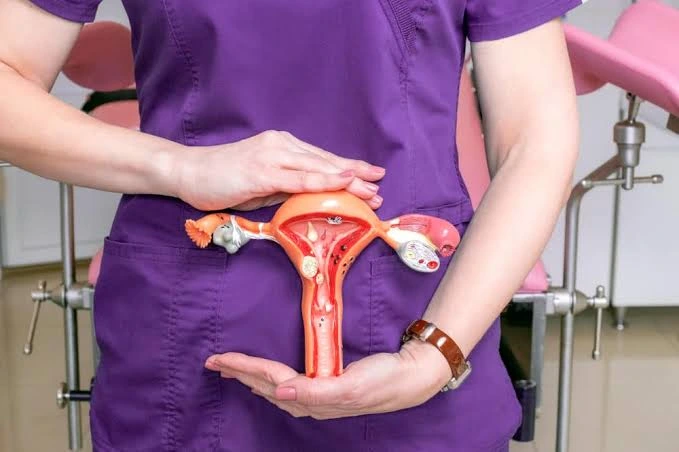
A woman who suddenly develops much heavier periods than she previously experienced should discuss the change with a gynecologist, particularly when it continues over multiple cycles.
How Do You Know If Your Periods Are Too Heavy?
Many women wonder whether their menstrual bleeding is actually considered heavy or whether it is simply a normal variation.
Heavy bleeding may be suspected when a woman needs to change sanitary pads or tampons very frequently, repeatedly wakes during the night to change menstrual protection, experiences bleeding through clothing or bedding, passes unusually large clots, or has periods that last longer than expected.
| Menstrual Pattern | What It May Indicate |
| Very frequent changing of sanitary products | May suggest heavy menstrual bleeding |
| Repeatedly bleeding through clothes or bedding | Can be a sign of excessive flow |
| Passing large blood clots | May occur with heavy bleeding |
| Periods lasting unusually long | May require gynecological evaluation |
| Heavy bleeding affecting work or daily activities | Should not be ignored |
| Fatigue or weakness during or after periods | May be associated with blood loss and anemia |
A woman does not need to wait until bleeding becomes severe before consulting a doctor. A persistent change in menstrual pattern is worth discussing with a gynecologist.
How Long Is a Normal Period?
Menstrual duration varies among women, but a typical menstrual period generally lasts several days.
The amount of bleeding can also vary during the same period, with flow often being heavier during the first few days and becoming lighter afterward.
When bleeding continues significantly longer than the woman’s usual pattern or repeatedly disrupts daily life, medical evaluation may be appropriate.
It is useful for women to keep track of the first and last day of bleeding, approximate flow, clotting and any associated symptoms. This information can help a gynecologist understand the menstrual pattern.
What Causes Heavy Periods?
Heavy periods can have several causes. Some are related to hormonal changes, while others involve the uterus, ovaries, thyroid, blood-clotting system or medications.
Common gynecological causes include uterine fibroids, adenomyosis and endometrial polyps. Hormonal disturbances may also prevent the normal regulation of the uterine lining, resulting in irregular or heavy bleeding.
| Cause | How It Can Contribute to Heavy Bleeding |
| Hormonal imbalance | Can affect growth and shedding of the uterine lining |
| Uterine fibroids | May increase menstrual bleeding |
| Adenomyosis | Can cause heavy and painful periods |
| Endometrial polyps | May cause abnormal or heavy bleeding |
| Ovulatory problems | Can result in irregular and sometimes heavy bleeding |
| Thyroid disorders | May affect menstrual cycles |
| Bleeding disorders | Can make menstrual bleeding unusually heavy |
| Certain medications | Some medicines can increase bleeding |
| Perimenopause | Hormonal fluctuations may change menstrual flow |
The underlying cause cannot always be identified from symptoms alone. A gynecological evaluation may be necessary.
Can Hormonal Imbalance Cause Heavy Periods?
Yes. Hormonal changes are an important cause of abnormal menstrual bleeding.
Normally, hormones coordinate ovulation and the growth and shedding of the endometrium, which is the inner lining of the uterus. When ovulation does not occur regularly, the uterine lining may continue to build up and eventually shed irregularly or heavily.
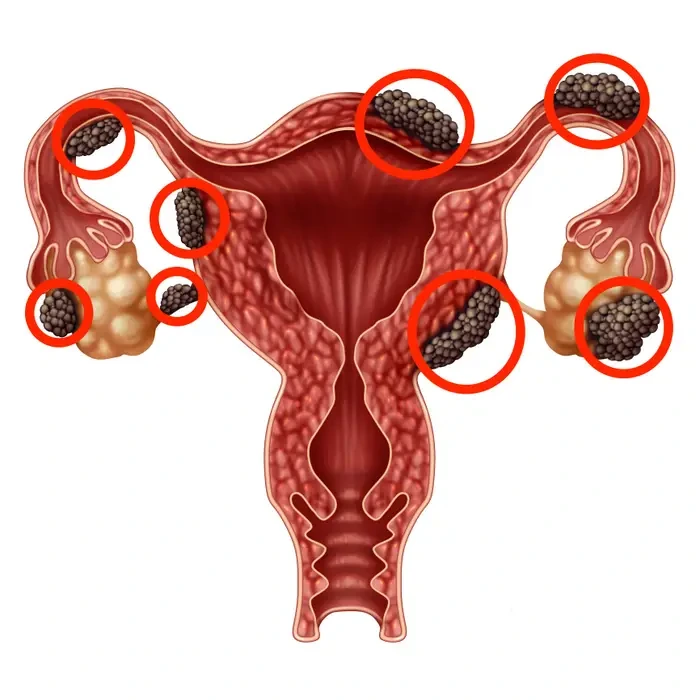
Hormonal disturbances can occur during adolescence, after certain reproductive changes and during the years leading up to menopause.
The treatment depends on the underlying hormonal pattern and the woman’s age, symptoms, reproductive plans and overall health.
Can Fibroids Cause Heavy Periods?
Yes. Uterine fibroids are a common cause of heavy menstrual bleeding.
Fibroids are non-cancerous growths that develop in or around the muscular wall of the uterus. Their size and location can vary significantly.
Some women with fibroids have no symptoms, while others may experience heavy periods, prolonged menstrual bleeding, pelvic pressure, pelvic pain or increased urinary frequency.
When fibroids are suspected, a gynecologist may recommend pelvic imaging, commonly including ultrasound, to evaluate the uterus.
Can Adenomyosis Cause Heavy Menstrual Bleeding?
Yes. Adenomyosis can cause heavy and painful periods.
In adenomyosis, tissue similar to the uterine lining grows into the muscular wall of the uterus. This can lead to an enlarged or tender uterus and may contribute to heavy menstrual bleeding and menstrual cramps.
Adenomyosis is more commonly identified in adult women and can sometimes occur alongside other gynecological conditions.
A clinical examination and appropriate imaging can help in evaluating suspected adenomyosis.
Can Endometrial Polyps Cause Heavy Periods?
Endometrial polyps are growths that develop from the lining of the uterus. They can cause abnormal uterine bleeding, including heavier or irregular periods and bleeding between periods.
Not every polyp causes symptoms, and many are benign. However, abnormal bleeding should be evaluated to determine its cause.
The appropriate investigation depends on the woman’s age, symptoms and clinical findings.
Can PCOS Cause Heavy Periods?
Polycystic ovary syndrome (PCOS) is commonly associated with irregular or infrequent periods because ovulation may not occur regularly.
When ovulation is irregular, the uterine lining can build up for a prolonged period before shedding. As a result, some women with PCOS may experience prolonged or heavy bleeding when menstruation eventually occurs.
However, heavy bleeding does not automatically mean that a woman has PCOS. Other causes need to be considered.
Can Thyroid Problems Cause Heavy Periods?
Yes. Thyroid disorders can affect menstrual patterns.
Both an underactive thyroid and other thyroid-related hormonal disturbances can be associated with changes in menstrual bleeding, including heavier or irregular periods in some women.
If menstrual changes occur alongside symptoms suggestive of thyroid dysfunction, a doctor may recommend thyroid testing as part of the evaluation.
Can Perimenopause Cause Heavy Periods?
Yes. Heavy or irregular periods can occur during perimenopause, the transitional period before menopause.
During perimenopause, ovarian hormone levels can fluctuate, and ovulation may become irregular. This can result in changes in cycle length, flow and duration.
Although menstrual changes are common during perimenopause, very heavy or unusual bleeding should not automatically be considered a normal part of aging. A gynecologist can determine whether evaluation is necessary.
Can Stress Cause Heavy Periods?
Stress can affect the menstrual cycle and may contribute to changes in timing or regularity.
However, persistent heavy menstrual bleeding should not automatically be attributed to stress. Structural conditions such as fibroids, adenomyosis or polyps, hormonal problems, thyroid disorders and other causes may also need to be considered.
When bleeding becomes consistently heavier than usual, professional evaluation is more appropriate than assuming stress is the only explanation.
Can Birth Control Cause Heavy Periods?
Some forms of contraception can alter menstrual bleeding.
Depending on the method, women may experience lighter periods, irregular spotting, changes in cycle frequency or, in some cases, heavier bleeding.
If heavy bleeding begins after starting or changing contraception, it is important to discuss the change with a gynecologist. The doctor can determine whether the contraceptive method is contributing to the symptoms and whether an alternative approach is appropriate.
Can Medicines Cause Heavy Periods?
Certain medications can influence bleeding.
Medicines that affect blood clotting are one example. Other medicines or hormonal treatments may also alter menstrual patterns.
A woman should inform her gynecologist about all prescribed medicines, over-the-counter medicines and supplements she is taking. Medication should not be stopped without professional advice simply because heavy periods have developed.
Can Heavy Periods Cause Anemia?
Yes. Repeated heavy menstrual bleeding can result in iron-deficiency anemia because the body loses iron along with blood.
The symptoms of anemia can include tiredness, weakness, reduced energy, dizziness, headaches, shortness of breath with exertion and difficulty concentrating.
| Possible Symptom | Possible Relationship With Heavy Periods |
| Persistent tiredness | May occur with anemia |
| Weakness | Can result from significant blood loss |
| Dizziness | May occur when anemia becomes significant |
| Headache | Can be associated with anemia |
| Shortness of breath during activity | May occur with significant anemia |
| Reduced concentration | Can accompany fatigue and anemia |
Women experiencing heavy periods along with significant fatigue or weakness should discuss these symptoms with a healthcare professional.
What Are the Symptoms of Heavy Menstrual Bleeding?
The symptoms can vary from woman to woman.
Some women mainly notice increased menstrual flow, while others experience prolonged periods, frequent changing of menstrual protection, large clots or bleeding that interferes with daily activities.
The most important clue is often a significant change from the woman’s normal menstrual pattern.
When Should You See a Gynecologist for Heavy Periods?
A gynecologist should be consulted when menstrual bleeding becomes persistently heavier than usual, lasts unusually long, repeatedly interferes with daily activities or is associated with symptoms such as severe pain, dizziness or weakness.
Medical evaluation is particularly important when heavy bleeding occurs suddenly or after menopause.
| Situation | Why Evaluation May Be Important |
| Periods suddenly become much heavier | May indicate a new underlying cause |
| Heavy bleeding occurs repeatedly | Persistent symptoms require assessment |
| Bleeding lasts unusually long | May require investigation |
| Large clots occur repeatedly | Can accompany heavy menstrual bleeding |
| Severe pelvic pain occurs | May suggest an underlying gynecological condition |
| Fatigue or weakness develops | May indicate anemia |
| Bleeding occurs between periods | May require evaluation |
| Bleeding occurs after menopause | Requires medical assessment |
Is Heavy Period Bleeding an Emergency?
Heavy menstrual bleeding can occasionally become severe enough to require urgent medical attention.
If a woman is experiencing extremely heavy bleeding accompanied by fainting, severe dizziness, weakness, shortness of breath, chest discomfort or other signs of significant blood loss, urgent medical assessment is appropriate.
A woman who feels that she may lose consciousness or is becoming severely unwell should not wait for a routine appointment.
How Is Heavy Menstrual Bleeding Diagnosed?
Diagnosis begins with a detailed medical history and gynecological evaluation.
The doctor may ask about the duration of periods, amount of bleeding, menstrual cycle regularity, clotting, pain, pregnancy possibility, medications, contraception, previous pregnancies and other medical conditions.
Depending on the symptoms, investigations may be recommended.
| Investigation | What It May Help Evaluate |
| Complete blood count | Helps assess anemia |
| Iron studies | Can help evaluate iron deficiency |
| Thyroid testing | Evaluates thyroid-related menstrual changes |
| Pregnancy testing | Helps exclude pregnancy-related bleeding |
| Pelvic ultrasound | Evaluates uterus, ovaries and structural abnormalities |
| Additional tests | May be recommended depending on symptoms |
Not every woman requires every test. Investigations should be selected according to the clinical situation.
Is Ultrasound Needed for Heavy Periods?
A pelvic ultrasound is commonly used when a structural cause of abnormal uterine bleeding is suspected.
It can help evaluate the uterus and ovaries and may identify conditions such as fibroids, adenomyosis-related changes, ovarian abnormalities or endometrial findings.
The type of ultrasound recommended depends on the woman’s age, symptoms, reproductive status and clinical circumstances.
What Treatment Is Available for Heavy Periods?
Treatment depends on the cause, severity of bleeding, age, reproductive plans and overall health.
Some women can be treated with medicines that reduce menstrual blood loss. Hormonal treatments may be considered in appropriate patients. Structural causes such as fibroids or polyps may require additional treatment depending on their size, location and symptoms.
| Treatment Approach | When It May Be Considered |
| Medical management | For selected causes of heavy bleeding |
| Hormonal treatment | When hormonal regulation is appropriate |
| Iron supplementation | When iron deficiency is identified |
| Treatment of thyroid disorder | When thyroid disease contributes to bleeding |
| Fibroid treatment | When fibroids cause significant symptoms |
| Polyp treatment | When an endometrial polyp requires intervention |
| Surgical treatment | Considered in selected cases when other approaches are unsuitable or ineffective |
The appropriate treatment should be individualized after identifying the likely cause.
Can Heavy Periods Be Treated Without Surgery?
Yes. Many causes of heavy menstrual bleeding can initially be managed with medication or other non-surgical approaches.
The choice depends on the cause of bleeding, severity, age, medical history and whether the woman wants to become pregnant in the future.
Surgery is not automatically required simply because periods are heavy.
However, some structural conditions may eventually require a procedure when symptoms are severe or when medical treatment does not provide adequate control.
What Can a Gynecologist Do for Heavy Periods?
A gynecologist can evaluate whether the bleeding is within the woman’s expected menstrual pattern or represents abnormal uterine bleeding.
The consultation can include menstrual history, examination, assessment for anemia, evaluation of possible hormonal or structural causes and recommendation of appropriate investigations.
Most importantly, treatment can be selected according to the underlying cause rather than simply attempting to suppress the bleeding without understanding why it is occurring.
Heavy Period Treatment in Indore With Dr. Yogita Gautam
Women searching for heavy period treatment in Indore can consult Dr. Yogita Gautam – Gynecologist in Indore for evaluation of abnormal menstrual bleeding.
Her clinic is located at G1, 158-159, Shakti Tower, near Shakuntala Hospital, Sector A, Goyal Nagar, Indore, Madhya Pradesh 452001.
Women can discuss concerns such as heavy menstrual bleeding, prolonged periods, painful periods, irregular cycles, bleeding associated with hormonal changes and menstrual problems during perimenopause.
For appointment-related information, the clinic can be contacted at 099772 13545.
Patients from Indore and nearby areas, including Dewas, may also visit the Indore clinic for gynecological consultation.
Why You Should Not Ignore Heavy Periods
Heavy periods are sometimes normalized because menstruation is a routine part of reproductive life. However, repeatedly losing excessive blood can affect iron levels, energy and quality of life.
More importantly, heavy menstrual bleeding can sometimes be a symptom of an underlying condition that requires treatment.
Conditions such as fibroids, adenomyosis, polyps, hormonal disorders and thyroid problems may all affect menstrual bleeding. Identifying the underlying cause can help guide appropriate management.
How Can You Prepare for a Gynecologist Appointment?
Keeping a record of menstrual cycles can make the consultation more informative.
A woman can note when bleeding starts and ends, how frequently she needs to change menstrual protection, whether she passes large clots, whether pain is present and whether the bleeding affects her work, sleep or daily activities.
Previous medical reports, medication details and information about contraception or pregnancy plans can also be useful during consultation.
Frequently Asked Questions About Heavy Periods
What is considered a heavy period?
A period may be considered heavy when menstrual bleeding is significantly greater than a woman’s normal pattern, lasts unusually long or repeatedly interferes with daily activities. Frequent changing of menstrual protection, bleeding through clothes or bedding and passing large clots can also indicate heavy menstrual bleeding.
Why are my periods suddenly very heavy?
Suddenly heavier periods can have several causes, including hormonal changes, fibroids, adenomyosis, polyps, thyroid problems, medication effects and other gynecological conditions. A persistent change should be evaluated by a gynecologist.
Can PCOS cause heavy periods?
PCOS commonly causes irregular or infrequent periods. When ovulation does not occur regularly, some women may experience prolonged or heavy bleeding when menstruation occurs.
Can fibroids cause heavy periods?
Yes. Uterine fibroids can cause heavy or prolonged menstrual bleeding, particularly depending on their size and location within the uterus.
Can thyroid problems cause heavy periods?
Yes. Thyroid disorders can affect menstrual regularity and flow. A doctor may recommend thyroid testing when symptoms suggest a thyroid-related menstrual problem.
Can heavy periods cause anemia?
Yes. Repeated heavy menstrual bleeding can lead to iron deficiency and anemia. Fatigue, weakness, dizziness and reduced energy can be possible symptoms.
Is it normal to pass large blood clots during periods?
Small clots can occur during menstruation, particularly when bleeding is heavier. Repeatedly passing unusually large clots, especially with very heavy bleeding, should be discussed with a gynecologist.
How many days of bleeding is considered too long?
Menstrual duration varies, but bleeding that consistently lasts significantly longer than a woman’s normal period or continues for an unusually long duration should be evaluated.
Can stress cause heavy periods?
Stress can influence menstrual cycles, but persistent heavy bleeding should not automatically be blamed on stress. Other causes may need to be ruled out.
Can menopause cause heavy periods?
During perimenopause, hormonal fluctuations can make periods heavier, lighter, longer, shorter or irregular. However, unusually heavy bleeding should still be discussed with a gynecologist.
Should I see a gynecologist for heavy periods?
Yes, particularly when heavy bleeding is persistent, worsening, painful, associated with fatigue or affecting daily life. A gynecologist can investigate the cause and discuss appropriate treatment.
Is heavy menstrual bleeding treatable?
Yes. Treatment depends on the underlying cause and may include medicines, hormonal treatment, management of anemia or treatment of structural conditions such as fibroids or polyps.
Do heavy periods always require surgery?
No. Many women can be managed with non-surgical treatment. Surgery is considered only in selected situations based on the cause, severity and response to other treatments.
Is an ultrasound required for heavy periods?
A pelvic ultrasound may be recommended when a structural cause such as fibroids or other uterine or ovarian abnormalities is suspected. The need for ultrasound depends on individual symptoms and examination findings.
Can heavy periods affect fertility?
The effect on fertility depends on the underlying cause. Conditions such as fibroids, adenomyosis or hormonal disorders can sometimes affect reproductive health. Proper evaluation can help identify the cause.
Can heavy periods happen after childbirth?
Menstrual patterns can change after pregnancy and childbirth. However, persistent heavy bleeding after periods have resumed should be evaluated, particularly if it is significantly different from the woman’s previous menstrual pattern.
Can birth control make periods heavier?
Some contraceptive methods can change menstrual bleeding patterns. If heavy bleeding begins after starting or changing contraception, a gynecologist can evaluate whether the method may be contributing.
Where can I consult a gynecologist for heavy periods in Indore?
Women looking for heavy period treatment in Indore can consult Dr. Yogita Gautam – Gynecologist in Indore at G1, 158-159, Shakti Tower, near Shakuntala Hospital, Sector A, Goyal Nagar, Indore, Madhya Pradesh 452001.
What is the contact number for Dr. Yogita Gautam?
For appointment-related information, patients can contact the clinic at 099772 13545.
Can patients from Dewas visit Dr. Yogita Gautam in Indore?
Yes. The clinic is located in Indore, and patients from nearby areas, including Dewas, may travel to Indore for gynecological consultation and evaluation of menstrual problems.
Conclusion
Heavy periods are more than simply having a slightly higher menstrual flow. When bleeding becomes unusually heavy, prolonged, frequent or disruptive, it may be a sign of heavy menstrual bleeding that deserves proper evaluation.
Hormonal fluctuations, fibroids, adenomyosis, endometrial polyps, PCOS-related ovulatory problems, thyroid disorders, medications and bleeding disorders are among the possible causes. Repeated heavy bleeding can also result in iron deficiency and anemia, leading to tiredness, weakness, dizziness and reduced quality of life.
Women should particularly seek medical attention when heavy periods are a new or worsening problem, interfere with normal activities, occur with severe pelvic pain, cause significant weakness or dizziness, or are accompanied by bleeding between periods or after menopause.
Diagnosis generally begins with a detailed menstrual history and gynecological examination. Depending on the symptoms, tests such as blood investigations, iron studies, thyroid testing or pelvic ultrasound may be recommended.
Treatment is individualized. Many women can be managed with medicines or hormonal approaches, while conditions such as fibroids or polyps may require specific treatment. Surgery is not automatically necessary.
For women looking for heavy period treatment in Indore, Dr. Yogita Gautam – Gynecologist in Indore offers gynecological consultation at G1, 158-159, Shakti Tower, near Shakuntala Hospital, Sector A, Goyal Nagar, Indore, Madhya Pradesh 452001. For appointment-related information, patients can contact 099772 13545.
Women from Indore, Dewas and surrounding areas can seek professional gynecological evaluation rather than continuing to tolerate unusually heavy periods or assuming that excessive bleeding is simply normal.