
Vaginal dryness is a common gynecological concern that can affect women at different stages of life, particularly during perimenopause and after menopause. It may cause irritation, burning, itching, discomfort during sexual intercourse and sometimes urinary symptoms. Although vaginal dryness is often associated with declining estrogen levels, it can also occur because of pregnancy, breastfeeding, certain medicines, cancer treatments, hormonal changes and other medical or lifestyle factors.
Vaginal dryness should not be considered something a woman simply has to tolerate. In many cases, appropriate treatment can significantly improve comfort and quality of life. Treatment may range from vaginal moisturizers and lubricants to prescription hormonal or non-hormonal therapies, depending on the underlying cause and individual medical history.
For women looking for evaluation and treatment of vaginal dryness in Indore, Dr. Yogita Gautam – Gynecologist in Indore provides gynecological consultation at G1, 158-159, Shakti Tower, near Shakuntala Hospital, Sector A, Goyal Nagar, Indore, Madhya Pradesh 452001. Appointment-related information can be obtained at 099772 13545.
What Is Vaginal Dryness?
Vaginal dryness occurs when the vagina does not have sufficient natural moisture and lubrication. It can cause the vaginal tissues to feel dry, irritated, sore or uncomfortable.
Vaginal dryness can occur temporarily or persist for a longer period. It is particularly common when estrogen levels decline, especially around menopause. Estrogen normally helps maintain the thickness, elasticity and natural lubrication of vaginal tissues. When estrogen levels decrease, vaginal tissues can become thinner, drier and more easily irritated.
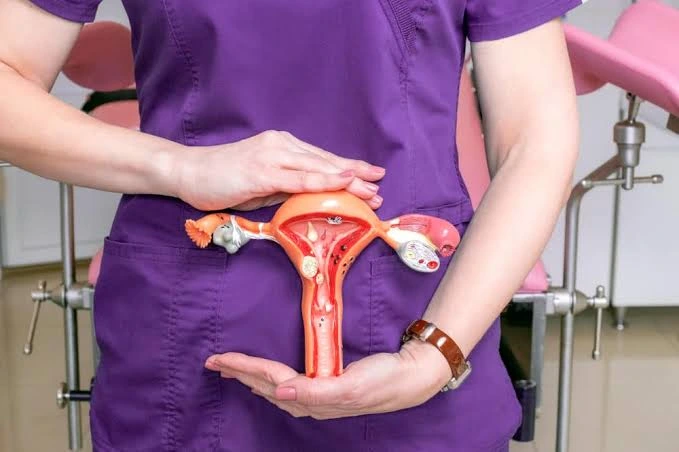
However, menopause is not the only cause. Women who are pregnant, breastfeeding, taking certain medicines or undergoing specific cancer treatments may also experience vaginal dryness.
What Are the Symptoms of Vaginal Dryness?
Vaginal dryness can produce symptoms inside and around the vagina. The severity varies from woman to woman.
Common symptoms include dryness, itching, burning, soreness and irritation. Some women experience discomfort or pain during sexual intercourse, while others notice urinary frequency or recurrent urinary tract infections.
| Symptom | How It May Present |
| Vaginal dryness | Reduced natural moisture or a dry sensation |
| Burning | Stinging or burning around the vagina |
| Itching | Persistent irritation or itching |
| Soreness | Tender or uncomfortable vaginal tissues |
| Pain during sex | Discomfort or pain during penetration |
| Urinary frequency | Feeling the need to urinate more often |
| Recurrent UTIs | Repeated urinary tract infections in some women |
| Spotting | Light bleeding or spotting, which may require evaluation |
Not every woman experiences all these symptoms. The combination of symptoms and their underlying cause determine the most appropriate treatment.
What Causes Vaginal Dryness?
There are several possible causes of vaginal dryness. Hormonal changes are among the most common, particularly the reduction in estrogen associated with menopause.
Other causes include pregnancy, breastfeeding, certain hormonal contraceptives, some antidepressants and other medicines, hysterectomy or removal of the ovaries, cancer treatments such as chemotherapy and radiotherapy, and some underlying medical conditions.
| Cause | Why It May Cause Vaginal Dryness |
| Menopause | Declining estrogen can reduce vaginal moisture and tissue elasticity |
| Perimenopause | Fluctuating hormone levels may affect vaginal lubrication |
| Breastfeeding | Hormonal changes after childbirth can temporarily reduce estrogen |
| Pregnancy | Hormonal changes can alter vaginal tissues and discharge |
| Certain medicines | Some medicines can contribute to dryness |
| Cancer treatment | Chemotherapy, radiotherapy and hormonal treatments may affect estrogen levels |
| Hysterectomy or ovarian surgery | Changes in reproductive hormones may contribute to symptoms |
| Irritating products | Perfumed washes, soaps and douches may irritate vaginal tissues |
| Medical conditions | Conditions such as diabetes or Sjögren syndrome may contribute |
Because the causes are different, treatment should focus on identifying what is responsible for the symptoms rather than assuming that every case is caused by menopause.
Is Vaginal Dryness Normal During Menopause?
Vaginal dryness is common during and after menopause because estrogen levels decline.
Estrogen plays an important role in maintaining vaginal tissue thickness, elasticity and lubrication. When estrogen levels decrease, the vaginal tissues may become thinner and drier and can become more sensitive to irritation.
Some women may notice vaginal dryness together with hot flashes, night sweats, sleep disturbances and menstrual changes. When vaginal, genital and urinary symptoms occur because of menopause-related hormonal changes, healthcare professionals may describe the condition as genitourinary syndrome of menopause, or GSM.
Can Vaginal Dryness Occur Before Menopause?
Yes. Vaginal dryness can occur before menopause.
During perimenopause, estrogen levels may fluctuate considerably. These changes can affect vaginal lubrication even when a woman is still having periods.
Vaginal dryness may also occur after childbirth or during breastfeeding because hormonal changes can temporarily lower estrogen levels.
Therefore, vaginal dryness in a younger woman should not automatically be assumed to be a menopause-related problem.
Can Breastfeeding Cause Vaginal Dryness?
Breastfeeding can contribute to vaginal dryness because hormonal changes during lactation may result in lower estrogen levels.
Some women notice dryness and discomfort during sexual intercourse after childbirth, particularly while breastfeeding. These symptoms may improve as hormonal levels change, but persistent or severe discomfort should be discussed with a gynecologist.
A healthcare professional can distinguish hormonal dryness from other causes such as infection, irritation or other gynecological conditions.
Can Birth Control Pills Cause Vaginal Dryness?
Certain hormonal contraceptives may contribute to vaginal dryness in some women.
However, vaginal dryness has multiple possible causes, and not every woman using hormonal contraception will experience it. If symptoms begin after starting or changing contraception, discussing the timing with a gynecologist can help determine whether the medication may be contributing.
A doctor can also discuss alternative contraceptive options if appropriate.
Can Medicines Cause Vaginal Dryness?
Yes. Certain medicines can contribute to vaginal dryness.
The NHS notes that some hormonal contraceptives and antidepressants may be associated with vaginal dryness. Some cold and allergy medicines may also contribute to dryness, according to ACOG.
Women should not stop prescribed medicines on their own. If dryness appears after starting a medicine, the medication history should be discussed with the treating doctor.
Can Stress Cause Vaginal Dryness?
Stress may affect sexual arousal and can therefore influence natural lubrication during sexual activity.
However, persistent vaginal dryness should not automatically be blamed on stress. Hormonal changes, medicines, infections, dermatological conditions and other gynecological factors may also be responsible.
If dryness continues even outside sexual activity, a gynecological evaluation may help identify the underlying cause.
Can Vaginal Dryness Cause Pain During Sex?
Yes. Vaginal dryness can make sexual intercourse uncomfortable or painful.
When there is inadequate lubrication, friction can irritate sensitive vaginal tissues. Menopause-related changes can also make the tissues thinner and less elastic, potentially increasing discomfort.
Using an appropriate lubricant can reduce friction. However, persistent pain during intercourse should be evaluated because infections, pelvic floor problems, endometriosis and other conditions can also cause painful sex.
What Is the Difference Between Vaginal Dryness and Vaginal Infection?
Vaginal dryness and vaginal infections can sometimes produce overlapping symptoms, but they are different conditions.
Dryness commonly causes a dry sensation, irritation, burning or discomfort, while infections may cause abnormal discharge, odor, significant itching, burning during urination or other symptoms depending on the type of infection.
| Vaginal Dryness | Vaginal Infection |
| Reduced natural lubrication | Often associated with an infectious cause |
| Dry or irritated tissues | May cause abnormal discharge |
| Pain during sex can occur | Pain or burning may occur |
| Often associated with hormonal changes | May be caused by bacteria, yeast or other organisms |
| May improve with moisturizers or appropriate hormonal treatment | Usually requires diagnosis-specific treatment |
Because symptoms can overlap, self-diagnosing an infection or using random medications may delay appropriate treatment.
Can Vaginal Dryness Cause Urinary Problems?
Vaginal dryness associated with menopause can occur alongside urinary symptoms.
Some women experience increased urinary frequency, urgency or recurrent urinary tract infections as estrogen levels decline. These vaginal and urinary symptoms can form part of genitourinary syndrome of menopause.
However, urinary burning, fever, blood in urine or persistent urinary symptoms may indicate another condition and should be medically evaluated.
How Is Vaginal Dryness Diagnosed?
Diagnosis begins with a detailed discussion of symptoms and medical history.
A gynecologist may ask when the dryness started, whether it occurs continuously or mainly during sexual activity, whether there is pain, itching, discharge or bleeding, whether periods have changed, and whether the woman is taking medicines or hormonal contraception.
Depending on the symptoms, a pelvic examination may be recommended. Additional tests may be required when infection, hormonal problems, skin conditions or another gynecological disorder is suspected.
There is no single test that is necessary for every woman with vaginal dryness. The evaluation is based on symptoms and clinical findings.
When Should You See a Gynecologist for Vaginal Dryness?
Mild, temporary dryness may improve with appropriate lubricants or moisturizers. However, medical consultation is recommended when vaginal dryness continues for several weeks, affects daily life or sexual relationships, or does not improve with simple measures.
Medical evaluation is particularly important when dryness is accompanied by unusual vaginal discharge, persistent pain, significant itching, urinary symptoms or vaginal bleeding.
Bleeding after sexual intercourse, bleeding between periods or any bleeding after menopause should not simply be attributed to dryness and requires medical assessment.
What Is the Treatment for Vaginal Dryness?
The treatment for vaginal dryness depends on its underlying cause.
For some women, vaginal moisturizers and lubricants are sufficient. For women with menopause-related estrogen deficiency, local vaginal estrogen may be considered. Other treatment options may be appropriate depending on the symptoms and medical history.
| Treatment | Main Purpose |
| Vaginal moisturizers | Provide ongoing moisture and reduce dryness |
| Water-based lubricants | Reduce friction during sexual activity |
| Silicone-based lubricants | Provide longer-lasting lubrication |
| Local vaginal estrogen | Treat estrogen-related vaginal dryness and irritation |
| Systemic hormone therapy | May be considered when broader menopausal symptoms are also present |
| Treatment of underlying disease | Addresses the specific cause of dryness |
| Medication review | Identifies medicines that may contribute to symptoms |
The appropriate treatment should be selected after considering age, symptoms, medical history, pregnancy status, medications and other health factors.
What Are Vaginal Moisturizers?
Vaginal moisturizers are designed to provide longer-lasting moisture to vaginal tissues.
Unlike lubricants, which are generally used around sexual activity, vaginal moisturizers can be used regularly to help reduce persistent dryness. ACOG notes that vaginal moisturizers can help relieve vaginal dryness, although they do not contain hormones and therefore do not restore the thickness or elasticity of vaginal tissue in the same way estrogen therapy can.
Women should use products specifically designed for vaginal use rather than applying ordinary body creams or lotions inside the vagina.
What Are Vaginal Lubricants?
Lubricants are used mainly to reduce friction during sexual intercourse.
Water-based and silicone-based lubricants are commonly used. ACOG recommends lubricants for reducing discomfort during sexual activity and notes that oil-based lubricants may irritate tissues and can make latex condoms less effective.
A lubricant can improve comfort during sex, but it does not necessarily treat the underlying cause of persistent vaginal dryness.
Is Vaginal Estrogen Effective for Vaginal Dryness?
Low-dose vaginal estrogen is an established treatment option for menopause-related vaginal dryness and irritation.
It delivers a small amount of estrogen directly to vaginal tissues and can help improve dryness, irritation and related symptoms. Available forms can include vaginal creams, tablets, pessaries, gels and rings.
Because vaginal estrogen is a prescription hormonal treatment in many settings, women should discuss whether it is appropriate with their gynecologist.
How Does Vaginal Estrogen Work?
Vaginal estrogen helps address the local effects of estrogen deficiency.
As estrogen levels fall during menopause, vaginal tissues can become thinner, less elastic and drier. Low-dose estrogen applied locally can improve the condition of these tissues and relieve symptoms such as dryness and irritation.
Vaginal estrogen is different from systemic estrogen therapy because it is primarily intended to act locally.
How Long Does Vaginal Estrogen Take to Work?
The response varies between women.
The NHS notes that vaginal estrogen may take up to around three months to work fully. If symptoms do not improve adequately, a woman should discuss the response with her doctor rather than increasing or changing the treatment herself.
Treatment may require regular use, and the exact regimen depends on the particular product and the doctor’s instructions.
Is Vaginal Estrogen Safe for Everyone?
Vaginal estrogen is not suitable for everyone without medical assessment.
Women should inform their doctor about previous breast cancer or other cancers, unexplained vaginal bleeding, blood clots, liver problems and other relevant medical conditions before using estrogen therapy.
Women with a history of hormone-sensitive cancer may require specialist advice before considering hormonal treatment. The decision should be individualized rather than based on general information available online.
Can Vaginal Dryness Be Treated Without Hormones?
Yes. Hormonal treatment is not the only option.
Vaginal moisturizers and lubricants can provide symptom relief, particularly when dryness is mild or primarily associated with sexual activity. Depending on the cause, other non-hormonal approaches may also be considered.
The best option depends on whether the dryness is caused by menopause, breastfeeding, medication, irritation or another medical condition.
What Should You Avoid If You Have Vaginal Dryness?
Certain products can make irritation worse.
Perfumed soaps, intimate washes, douches and products that are not designed for vaginal use can irritate sensitive tissues. The NHS specifically advises avoiding perfumed soaps, washes and douches around the vagina and avoiding ordinary creams or moisturizers that are not intended for vaginal use.
Gentle hygiene and avoiding unnecessary irritants can help protect sensitive vaginal tissues.
Does Vaginal Dryness Go Away on Its Own?
It depends on the underlying cause.
Temporary dryness related to breastfeeding, medication or reduced sexual arousal may improve when the underlying factor changes. Menopause-related vaginal dryness, however, may persist because estrogen levels remain lower after menopause.
Persistent symptoms do not need to be tolerated. Effective treatments are available, and a gynecologist can help identify the most appropriate option.
Vaginal Dryness and Menopause: Understanding the Connection
Menopause is one of the most common reasons women experience persistent vaginal dryness.
As ovarian estrogen production declines, the vaginal tissues may become thinner, less elastic and less lubricated. These changes can also contribute to burning, irritation, painful intercourse and urinary symptoms.
When these symptoms are related to menopause, they are often considered part of genitourinary syndrome of menopause. The condition can continue even after hot flashes and other menopausal symptoms have improved.
This is why women should not assume that vaginal discomfort is something they simply have to accept as part of aging.
Vaginal Dryness Treatment in Indore With Dr. Yogita Gautam
Women experiencing persistent vaginal dryness may benefit from an individualized gynecological consultation.
Dr. Yogita Gautam – Gynecologist in Indore provides consultation for women’s health and gynecological concerns at her clinic located at G1, 158-159, Shakti Tower, near Shakuntala Hospital, Sector A, Goyal Nagar, Indore, Madhya Pradesh 452001.
Women can discuss symptoms such as vaginal dryness, burning, itching, painful intercourse, irregular periods, menopause-related symptoms and urinary discomfort during a consultation.
The clinic can be contacted at 099772 13545 for appointment-related information.
The clinic is located in Indore, and patients from nearby areas, including Dewas, may also travel to Indore for gynecological consultation when required.
Why Professional Evaluation Matters for Vaginal Dryness
Vaginal dryness may appear to be a simple problem, but its underlying causes can be very different.
A woman experiencing dryness because of menopause may require a different approach from someone experiencing symptoms because of breastfeeding, medication, infection or an underlying medical condition.
Professional evaluation helps avoid unnecessary treatment and can identify symptoms that need further investigation, particularly unexplained bleeding, abnormal discharge or persistent pain.
Frequently Asked Questions About Vaginal Dryness
What is the main cause of vaginal dryness?
Low estrogen associated with menopause is a common cause, but vaginal dryness can also occur during breastfeeding, pregnancy, with certain medicines, after some cancer treatments and because of other medical or lifestyle factors.
Is vaginal dryness normal after menopause?
Vaginal dryness is common after menopause because estrogen levels decrease. However, common does not mean that women have to live with persistent discomfort. Treatment options are available.
Can vaginal dryness cause painful sex?
Yes. Reduced lubrication increases friction and can make sexual intercourse uncomfortable or painful. Menopause-related tissue changes can further contribute to discomfort.
What is the best treatment for vaginal dryness?
There is no single treatment that is best for every woman. Vaginal moisturizers and lubricants may help some women, while menopause-related dryness may require local vaginal estrogen or another medical treatment. The appropriate option depends on the underlying cause.
Can I use lubricant for vaginal dryness?
Yes. Lubricants can reduce friction and discomfort during sexual activity. Water-based or silicone-based lubricants are commonly recommended.
What is the difference between a vaginal moisturizer and lubricant?
A vaginal moisturizer is generally used regularly to help maintain moisture, while a lubricant is usually used around sexual activity to reduce friction. Neither necessarily treats the underlying hormonal cause of vaginal dryness.
Can breastfeeding cause vaginal dryness?
Yes. Hormonal changes during breastfeeding can reduce estrogen levels and contribute to vaginal dryness.
Can vaginal dryness be a sign of menopause?
Yes. Vaginal dryness is a common symptom associated with the hormonal changes of perimenopause and menopause.
Can vaginal dryness cause itching?
Yes. Dry and irritated vaginal or vulvar tissues can cause itching, soreness and burning. However, persistent itching can also be caused by infections or skin conditions, so it should be evaluated when it does not improve.
Can vaginal dryness cause urinary problems?
Menopause-related vaginal and tissue changes can occur alongside urinary frequency, urgency and recurrent UTIs in some women.
Should I see a doctor for vaginal dryness?
You should consider medical evaluation if dryness persists for several weeks, affects your daily life or sexual relationship, or does not improve with simple measures. Unusual discharge or vaginal bleeding also warrants evaluation.
Is vaginal estrogen the same as regular HRT?
No. Vaginal estrogen is a low-dose local treatment primarily used for vaginal symptoms, while systemic HRT delivers hormones throughout the body to address broader menopausal symptoms.
How long does vaginal estrogen take to work?
It can take up to around three months for vaginal estrogen to reach its full effect. If symptoms do not improve, the treatment should be reviewed with a healthcare professional.
Can vaginal dryness occur in young women?
Yes. Vaginal dryness can occur at any age. Although it is more common after menopause, younger women may experience it because of breastfeeding, hormonal contraception, medicines, cancer treatments, stress or other causes.
Is vaginal dryness permanent?
Not necessarily. The outcome depends on the cause. Some temporary hormonal or medication-related causes may improve, while menopause-related dryness may persist without treatment. Effective symptom-management options are available.
Can women from Dewas consult Dr. Yogita Gautam in Indore?
Yes. Dr. Yogita Gautam – Gynecologist in Indore has her clinic at G1, 158-159, Shakti Tower, near Shakuntala Hospital, Sector A, Goyal Nagar, Indore, Madhya Pradesh 452001. Patients from Dewas and nearby areas can travel to Indore for gynecological consultation.
Where is Dr. Yogita Gautam’s clinic located?
The clinic is located at G1, 158-159, Shakti Tower, near Shakuntala Hospital, Sector A, Goyal Nagar, Indore, Madhya Pradesh 452001.
What is the contact number for Dr. Yogita Gautam?
For appointment-related information, the clinic contact number is 099772 13545.
Conclusion
Vaginal dryness is common, but persistent vaginal dryness should not be ignored. It can affect comfort, sexual health, emotional well-being and quality of life. Menopause is one of the most common causes, but pregnancy, breastfeeding, medications, cancer treatments, hormonal changes, irritating products and certain medical conditions can also contribute.
Treatment depends on the underlying cause. Vaginal moisturizers can provide ongoing moisture, while lubricants can reduce friction during sexual activity. For menopause-related symptoms, low-dose local vaginal estrogen may be an effective option for appropriately selected women. Other hormonal or non-hormonal treatments may also be considered depending on the individual’s symptoms and medical history.
Women should avoid self-treating persistent vaginal symptoms with random creams, intimate washes or unprescribed medicines. Perfumed products and douching can further irritate vaginal tissues.
Most importantly, vaginal bleeding, unusual discharge, persistent pain or symptoms that do not improve should be medically evaluated rather than assumed to be simple dryness.
For women seeking vaginal dryness treatment in Indore, Dr. Yogita Gautam – Gynecologist in Indore offers gynecological consultation at G1, 158-159, Shakti Tower, near Shakuntala Hospital, Sector A, Goyal Nagar, Indore, Madhya Pradesh 452001. For appointment-related information, patients can contact 099772 13545.
Women from Indore and nearby areas, including Dewas, can visit the clinic in Indore for appropriate gynecological evaluation and personalized guidance regarding vaginal dryness, menopause-related symptoms and other women’s health concerns.