
Pelvic pain in women is a common but sometimes overlooked symptom that can arise from the reproductive organs, urinary system, digestive system, muscles, nerves, or other structures in and around the pelvis. The pain may feel like cramping, pressure, heaviness, aching, or a sharp or stabbing sensation. It can occur suddenly or develop gradually and may be temporary or continue for months.
Pelvic pain is often associated with menstrual cramps, but not every type of pelvic pain is caused by periods. Conditions such as endometriosis, ovarian cysts, uterine fibroids, adenomyosis, pelvic inflammatory disease, urinary tract infections, gastrointestinal problems, and pregnancy-related complications can also cause pain in the lower abdomen or pelvis. Chronic pelvic pain can sometimes have more than one underlying cause.
This is why persistent or unexplained pelvic pain in women should not simply be ignored or treated repeatedly with painkillers without identifying the underlying cause. Sudden and severe pelvic pain, particularly when accompanied by fainting, heavy bleeding, fever, vomiting, or pregnancy, can require urgent medical assessment.
For women in Indore who are experiencing persistent pelvic pain, menstrual-related pain, abnormal bleeding, ovarian or uterine concerns, or other gynecological symptoms, Dr. Yogita Gautam – Gynecologist in Indore provides gynecological consultation at her clinic located at G1, 158-159, Shakti Tower, near Shakuntala Hospital, Sector A, Goyal Nagar, Indore, Madhya Pradesh 452001. For appointment-related information, the clinic can be contacted at 099772 13545.
What Is Pelvic Pain in Women?
Pelvic pain refers to pain or discomfort felt in the lower abdomen or the area between the hips. In women, the pelvis contains important reproductive organs such as the uterus, ovaries, fallopian tubes, cervix, and vagina, but pelvic pain does not necessarily originate from the reproductive system.
The urinary bladder, bowel, pelvic floor muscles, nerves, bones, ligaments, and other surrounding structures can also produce pain in this region. This makes the diagnosis of pelvic pain more complex than simply associating it with a gynecological problem.
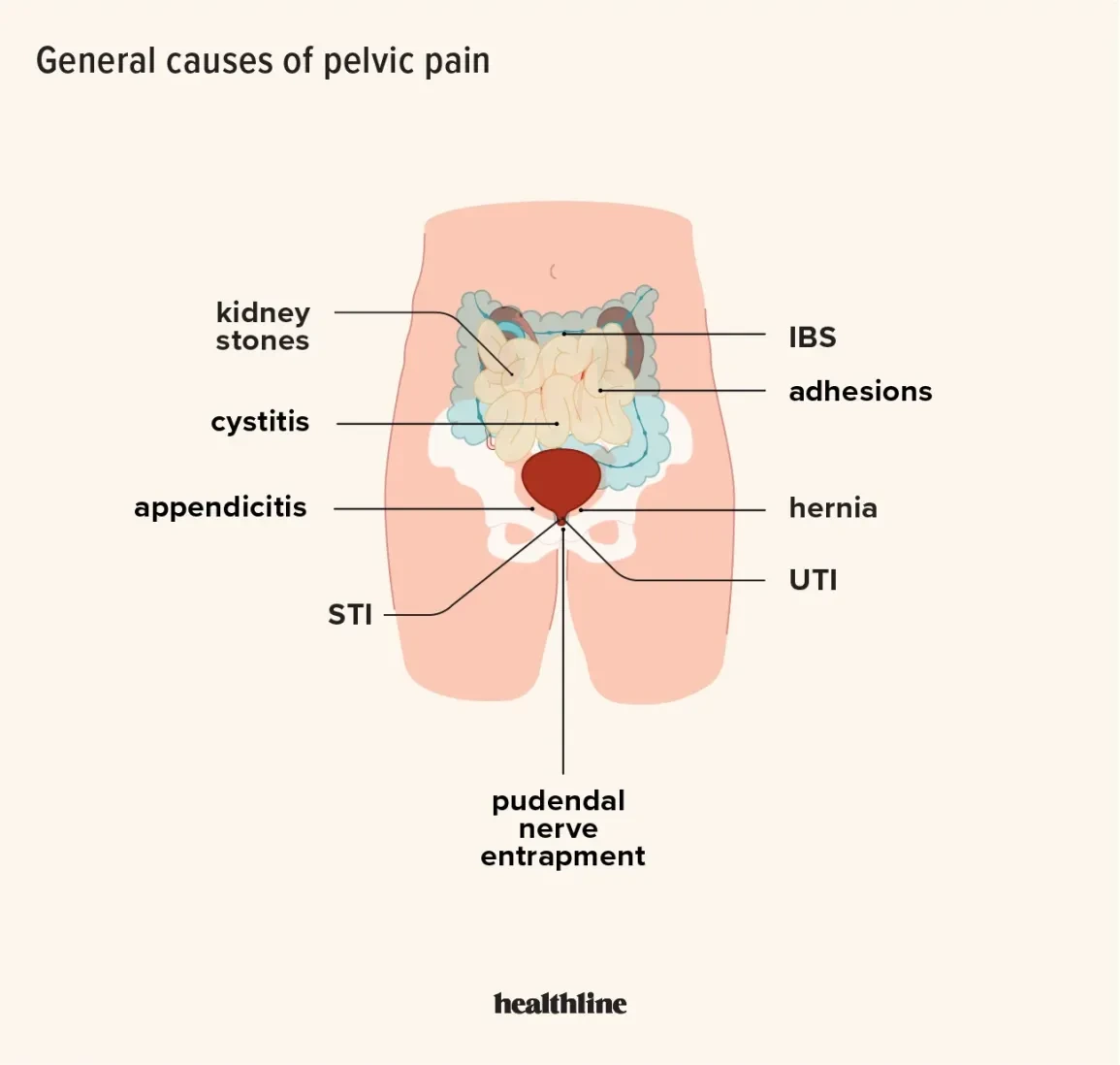
The pain may be felt in the center of the lower abdomen, on one side, around the vagina, deep inside the pelvis, or sometimes in the lower back. Its characteristics can provide useful clues about the possible cause.
Chronic pelvic pain is generally described as pelvic pain lasting six months or longer. It can occur continuously or come and go, and some women experience pain during sexual intercourse, urination, bowel movements, prolonged sitting, or physical activity.
What Does Pelvic Pain Feel Like?
Pelvic pain can feel different from one woman to another. Some women experience a dull, continuous ache, while others may describe sharp, stabbing, burning, cramping, or pressure-like pain.
The timing of the pain can also be important. Pain that occurs mainly during menstruation may have a different cause from pain that appears suddenly in the middle of the menstrual cycle. Pain associated with urination, bowel movements, sexual intercourse, or pregnancy may provide additional information to the doctor.
| Type of Pelvic Pain | Possible Description |
| Cramping pain | May occur around menstruation or with certain uterine conditions |
| Sharp or stabbing pain | Can occur with some ovarian, gastrointestinal, urinary, or other pelvic conditions |
| Dull aching pain | May occur with several chronic pelvic conditions |
| Pressure or heaviness | Can occur with conditions such as fibroids or pelvic congestion |
| Burning pain | May occur with certain urinary, vulvar, nerve, or inflammatory conditions |
| One-sided pain | May occur with some ovarian or other localized conditions |
The nature of the pain alone cannot establish a diagnosis. A proper evaluation may be necessary when symptoms persist, recur, or are associated with other concerning symptoms.
What Are the Common Causes of Pelvic Pain in Women?
There are many possible causes of pelvic pain in women, and more than one condition can sometimes contribute to the symptoms.
Gynecological causes include endometriosis, ovarian cysts, uterine fibroids, adenomyosis, pelvic inflammatory disease, and menstrual pain. Pregnancy-related conditions can also cause pelvic pain.
However, pelvic pain can also originate from the urinary system, digestive system, pelvic floor muscles, nerves, or other structures. Conditions such as urinary tract infections, kidney stones, constipation, irritable bowel syndrome, and certain muscle or nerve disorders can produce symptoms in the pelvic region.
This wide range of possible causes is one reason why persistent pelvic pain deserves proper medical assessment rather than self-diagnosis.
Can Periods Cause Pelvic Pain?
Yes. Menstrual cramps, medically known as dysmenorrhea, are one of the common causes of pelvic pain in women.
Period-related pain usually occurs around menstruation and may be accompanied by lower abdominal cramping, back pain, nausea, headache, or other menstrual symptoms.
However, severe period pain that interferes with daily activities should not automatically be considered “normal.” Conditions such as endometriosis or adenomyosis can cause significant menstrual-related pelvic pain.
If period pain has become progressively worse, lasts longer than expected, affects daily activities, or is associated with other symptoms, a gynecological evaluation can help determine whether there is an underlying condition.
Endometriosis as a Cause of Pelvic Pain
Endometriosis is an important cause of pelvic pain in women. In endometriosis, tissue similar to the lining of the uterus grows outside the uterus and can cause inflammation and pain.
The pain may become particularly noticeable around menstruation, but some women experience pelvic pain at other times as well. Endometriosis can also be associated with painful sexual intercourse, pain during bowel movements or urination, and fertility problems.
The severity of pain does not always correspond directly to the extent of disease. Some women with significant endometriosis may have relatively mild symptoms, while others can experience substantial pain.
Because endometriosis can sometimes take time to diagnose, women with persistent or recurrent pelvic pain should discuss their symptoms with a gynecologist rather than repeatedly assuming that severe menstrual pain is simply part of having periods.
Can Ovarian Cysts Cause Pelvic Pain?
Yes. Ovarian cysts are another possible cause of pelvic pain.
Many ovarian cysts are benign and may disappear on their own, but some can cause pain, pressure, or discomfort. The symptoms may depend on the size, type, and location of the cyst.
Pain associated with an ovarian cyst may be felt more strongly on one side of the lower abdomen. In some situations, sudden severe pain may indicate a complication requiring urgent medical evaluation.
Ultrasound is commonly used to evaluate the ovaries and can help identify cysts and characterize their appearance. Further management depends on the type of cyst, symptoms, age, and other clinical factors.
Uterine Fibroids and Pelvic Pain
Uterine fibroids are non-cancerous growths that develop in or around the uterus. They are common and may cause a range of symptoms depending on their size and location.
Some women with fibroids have no symptoms, while others may experience heavy menstrual bleeding, pelvic pressure, lower abdominal discomfort, or lower back pain.
Fibroids may produce a sensation of heaviness or pressure in the lower abdomen and pelvis. In some cases, they can cause sharp pain.
Pelvic ultrasound is commonly used as part of the evaluation of suspected fibroids. A gynecologist can determine whether the symptoms and imaging findings are consistent with fibroids and whether treatment is required.
Adenomyosis and Pelvic Pain
Adenomyosis occurs when tissue that normally lines the inside of the uterus grows into the muscular wall of the uterus.
It can be associated with painful periods, heavy menstrual bleeding, pelvic pressure, and chronic pelvic discomfort.
Adenomyosis can sometimes produce symptoms that overlap with other gynecological conditions, making clinical assessment important. Ultrasound and, in selected situations, other imaging methods may help evaluate the uterus.
Women experiencing progressively painful periods or persistent pelvic discomfort should discuss these symptoms with a gynecologist rather than assuming they are simply part of the menstrual cycle.
Pelvic Inflammatory Disease and Pelvic Pain
Pelvic inflammatory disease, commonly called PID, is an infection involving the female reproductive organs. It can affect structures such as the uterus, fallopian tubes, and ovaries.
PID may cause pelvic or lower abdominal pain and can be associated with abnormal vaginal discharge, fever, pain during sexual intercourse, or abnormal bleeding.
If untreated, PID can potentially lead to complications involving the reproductive system. Chronic pelvic inflammatory disease can also contribute to long-term pelvic pain.
Women who have pelvic pain along with fever, unusual vaginal discharge, abnormal bleeding, or other symptoms of infection should seek medical evaluation.
Can Urinary Tract Infection Cause Pelvic Pain?
Yes. A urinary tract infection, or UTI, can cause discomfort in the lower abdomen or pelvic region.
UTIs are often associated with symptoms such as burning or pain during urination, increased urinary frequency, urgency, or changes in urine.
Pelvic pain associated with urinary symptoms should not automatically be assumed to be gynecological. The urinary system can also be responsible for lower abdominal or pelvic discomfort.
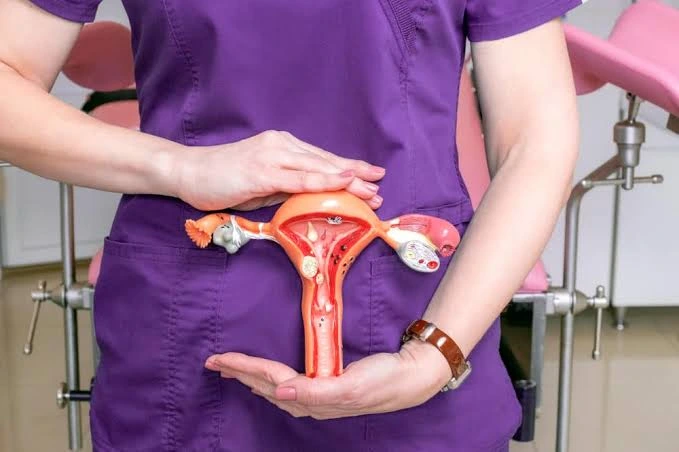
A doctor may recommend urine testing when the symptoms suggest a urinary infection.
Can Kidney Stones Cause Pelvic Pain in Women?
Kidney stones can cause severe pain that may radiate from the back or side toward the lower abdomen or groin. Depending on the location of the stone, women may perceive the discomfort as pelvic pain.
Kidney stones can also be associated with urinary symptoms and, in some cases, blood in the urine.
Because urinary and gynecological conditions can sometimes produce similar symptoms, a proper evaluation is important when pain is severe, recurrent, or associated with urinary abnormalities.
Can Constipation Cause Pelvic Pain?
Yes. Constipation can contribute to lower abdominal and pelvic discomfort.
When stool accumulates in the bowel, it can produce pressure, cramping, bloating, and discomfort. Other digestive conditions, including irritable bowel syndrome, inflammatory bowel disease, and other gastrointestinal disorders, can also contribute to pelvic pain.
If pelvic pain occurs together with persistent constipation, diarrhea, bloating, changes in bowel habits, or blood in the stool, medical evaluation may be appropriate.
Can Irritable Bowel Syndrome Cause Pelvic Pain?
Irritable bowel syndrome, or IBS, can cause abdominal discomfort, bloating, constipation, diarrhea, or alternating bowel symptoms.
Because the bowel and reproductive organs are located close to each other, gastrointestinal symptoms can sometimes be experienced as lower abdominal or pelvic discomfort.
When pelvic pain occurs along with significant bowel symptoms, the doctor may consider both gynecological and gastrointestinal causes rather than focusing on only one system.
Can Pelvic Floor Muscles Cause Pelvic Pain?
Yes. Pelvic pain can sometimes originate from muscles and connective tissues in the pelvic region.
Pelvic floor muscle tension or spasms can contribute to ongoing pelvic pain. The discomfort may become noticeable while sitting, exercising, during sexual intercourse, or during other activities.
Chronic pelvic pain can have multiple contributing factors, including muscle, nerve, reproductive, urinary, and gastrointestinal conditions.
If gynecological investigations do not completely explain the symptoms, the doctor may consider pelvic floor or musculoskeletal causes as part of a broader evaluation.
Can Sexual Intercourse Cause Pelvic Pain?
Pain during sexual intercourse, known as dyspareunia, can have several possible causes.
Gynecological conditions such as endometriosis, pelvic inflammatory disease, ovarian cysts, vaginal conditions, and pelvic floor muscle problems can contribute to pain during intercourse.
Pain may occur at the entrance of the vagina or deeper inside the pelvis. The location, timing, severity, and associated symptoms can help the doctor understand the possible cause.
Pain during sexual intercourse should not simply be accepted as something a woman has to live with. Persistent or recurrent pain deserves medical evaluation.
Pelvic Pain During Pregnancy
Pelvic pain during pregnancy can have several possible causes, ranging from relatively common pregnancy-related discomfort to conditions that require urgent assessment.
Because pregnancy changes the reproductive organs and surrounding tissues, some pelvic discomfort can occur. However, pelvic pain during pregnancy should be assessed according to its severity, timing, associated symptoms, and stage of pregnancy.
Pregnancy-related complications, including ectopic pregnancy, miscarriage, placental problems, or preterm labor, can cause pelvic or abdominal pain.
A woman who is pregnant or may be pregnant and develops significant pelvic pain should contact a healthcare professional promptly, particularly if the pain is severe or accompanied by bleeding, dizziness, fainting, or other concerning symptoms.
Ectopic Pregnancy and Pelvic Pain
An ectopic pregnancy occurs when a fertilized egg implants outside the uterus, most commonly in a fallopian tube.
Pelvic or abdominal pain can occur with an ectopic pregnancy and may sometimes be associated with vaginal bleeding. If the condition progresses and internal bleeding occurs, it can become a medical emergency.
A woman who may be pregnant and develops sudden or severe pelvic pain, especially with vaginal bleeding, dizziness, fainting, or shoulder-tip pain, needs urgent medical assessment.
This is one of the most important reasons pregnancy status should be considered when evaluating pelvic pain in women of reproductive age.
When Is Pelvic Pain an Emergency?
Not every episode of pelvic pain is an emergency, but certain symptoms require urgent medical attention.
Sudden, severe, or rapidly worsening pelvic pain should not be ignored. Emergency evaluation is particularly important when pelvic pain is accompanied by heavy vaginal bleeding, fainting, dizziness, severe vomiting, fever, difficulty breathing, or pregnancy.
| Pelvic Pain Symptom | Why Medical Assessment May Be Needed |
| Sudden severe pelvic pain | May indicate an acute pelvic or abdominal problem |
| Heavy vaginal bleeding | Can occur with serious gynecological or pregnancy-related conditions |
| Fainting or severe dizziness | May indicate significant internal bleeding or another emergency |
| Pelvic pain during pregnancy | Pregnancy-related complications need to be considered |
| Fever with pelvic pain | May suggest infection or inflammation |
| Severe vomiting with pain | Can accompany certain acute abdominal or pelvic conditions |
| Pain that rapidly worsens | May indicate an evolving medical problem |
Women experiencing these symptoms should seek urgent medical care rather than waiting for a routine consultation.
When Should You See a Gynecologist for Pelvic Pain?
A gynecological consultation is appropriate when pelvic pain is persistent, recurrent, worsening, or interfering with normal daily activities.
Women should also consider evaluation when pelvic pain occurs with abnormal menstrual bleeding, unusually painful periods, pain during sexual intercourse, abnormal vaginal discharge, urinary symptoms, fertility concerns, or other gynecological changes.
Mayo Clinic recommends medical evaluation when pelvic pain is new, disrupts daily life, or becomes worse over time.
A gynecologist can take a detailed history, perform an appropriate examination, and determine whether imaging or laboratory testing is needed.
How Is Pelvic Pain Diagnosed?
Diagnosing pelvic pain begins with understanding the patient’s symptoms and medical history.
The gynecologist may ask about when the pain began, whether it is related to menstruation, whether it occurs on one side or both sides, whether it is associated with sexual intercourse, urination, bowel movements, pregnancy, vaginal discharge, or abnormal bleeding.
A pelvic examination may be performed when clinically appropriate. Laboratory tests may also be recommended depending on the suspected cause.
Ultrasound is an important imaging tool in the evaluation of many gynecological causes of pelvic pain because it can provide images of the uterus, ovaries, and surrounding pelvic structures.
Is Ultrasound Useful for Pelvic Pain?
Yes. Pelvic ultrasound can be useful when a doctor suspects a gynecological cause of pelvic pain.
Ultrasound can help evaluate the uterus and ovaries and may identify findings such as ovarian cysts, fibroids, or other structural abnormalities.
Depending on the patient’s symptoms and clinical situation, the doctor may recommend transabdominal ultrasound, transvaginal ultrasound, or another appropriate imaging examination.
However, ultrasound does not identify every possible cause of pelvic pain. A normal ultrasound does not necessarily mean that the pain has no medical cause.
What Tests May Be Needed for Pelvic Pain?
The tests required depend on the suspected cause. There is no single test that can diagnose every type of pelvic pain.
A gynecologist may recommend pelvic examination, urine testing, blood tests, pregnancy testing, ultrasound, or other imaging depending on the symptoms and medical history.
In selected cases, CT or MRI may be considered. When conditions such as endometriosis require further evaluation, laparoscopy may sometimes be used for diagnosis and treatment.
| Investigation | What It May Help Evaluate |
| Pregnancy test | Pregnancy-related causes of pelvic pain |
| Urine test | Urinary infection or other urinary problems |
| Blood tests | Infection, inflammation, anemia, or other conditions depending on symptoms |
| Pelvic ultrasound | Uterus, ovaries, cysts, fibroids, and other pelvic structures |
| MRI | Detailed assessment of selected pelvic conditions |
| CT scan | Evaluation of selected abdominal or pelvic conditions |
| Laparoscopy | Direct evaluation of pelvic organs in selected cases |
The doctor decides which tests are appropriate after considering the patient’s symptoms and clinical findings.
How Is Pelvic Pain Treated?
Treatment for pelvic pain depends entirely on the underlying cause.
For menstrual pain, treatment may involve medications or hormonal approaches depending on the patient’s medical history. If an infection is responsible, appropriate antimicrobial treatment may be required. Ovarian cysts, fibroids, endometriosis, adenomyosis, urinary conditions, and gastrointestinal problems each require different management approaches.
Chronic pelvic pain can sometimes have multiple causes, so treatment may involve more than one approach. Depending on the underlying problem, treatment can include medication, hormonal therapy, physiotherapy, lifestyle measures, or surgery.
Self-medicating repeatedly with painkillers without determining the cause may delay appropriate diagnosis.
Can Pelvic Pain Be Treated Without Surgery?
Yes. Many causes of pelvic pain can be managed without surgery, depending on the diagnosis.
Medication, hormonal treatment, treatment of infections, pelvic floor therapy, lifestyle modifications, or other non-surgical approaches may be appropriate in selected cases.
However, some conditions may require a procedure or surgery when symptoms are severe, complications occur, or conservative treatment is not effective.
The goal is to identify the underlying cause first and then select the most appropriate treatment.
Why Should Persistent Pelvic Pain Not Be Ignored?
Persistent pelvic pain can affect sleep, exercise, work, relationships, sexual health, and overall quality of life.
More importantly, recurring pain can sometimes be a symptom of a condition that requires treatment. Endometriosis, fibroids, ovarian cysts, pelvic inflammatory disease, urinary disorders, gastrointestinal conditions, and other problems can all produce pelvic discomfort.
Chronic pelvic pain can also have more than one underlying cause. Therefore, repeatedly treating the symptom without investigating the cause may not provide long-term relief.
Pelvic Pain Consultation With Dr. Yogita Gautam in Indore
Women experiencing persistent or unexplained pelvic pain may benefit from evaluation by a qualified gynecologist.
Dr. Yogita Gautam – Gynecologist in Indore provides gynecological consultation at her clinic in Goyal Nagar, Indore. The clinic is located at G1, 158-159, Shakti Tower, near Shakuntala Hospital, Sector A, Goyal Nagar, Indore, Madhya Pradesh 452001.
Women can discuss symptoms such as painful periods, pelvic pain, abnormal bleeding, ovarian cyst-related concerns, endometriosis symptoms, menstrual irregularities, pain during intercourse, and other gynecological issues during a consultation.
For appointment-related information, the clinic can be contacted at 099772 13545.
The clinic is located in Indore and can also be visited by patients traveling from nearby cities and surrounding areas, including Dewas, when they require gynecological consultation in Indore.
Why Choose Dr. Yogita Gautam – Gynecologist in Indore for Pelvic Pain?
Pelvic pain can have several possible causes, so an appropriate gynecological assessment is important when symptoms persist or recur.
At Dr. Yogita Gautam – Gynecologist in Indore, women can discuss their symptoms, menstrual history, reproductive health, previous medical conditions, and previous investigations to help determine the appropriate next step.
Depending on the clinical situation, the doctor may recommend examination, laboratory testing, ultrasound, or referral for additional investigations.
Women should bring previous ultrasound reports, blood test reports, prescriptions, and other relevant medical records whenever available. Previous reports can help the doctor understand how symptoms or findings have changed over time.
Where Is Dr. Yogita Gautam’s Clinic Located?
Dr. Yogita Gautam – Gynecologist in Indore is located at G1, 158-159, Shakti Tower, near Shakuntala Hospital, Sector A, Goyal Nagar, Indore, Madhya Pradesh 452001.
The clinic is situated in Indore and provides a location for women seeking gynecological consultation for pelvic pain and other women’s health concerns.
For appointment-related information, patients can contact 099772 13545.
Can Women From Dewas Consult Dr. Yogita Gautam in Indore?
Yes. Dr. Yogita Gautam’s clinic is located in Indore, and women from Dewas and surrounding areas may travel to Indore for gynecological consultation when required.
Women traveling for pelvic pain evaluation should bring their previous medical records, ultrasound reports, prescriptions, and any relevant test results. This can help the gynecologist understand the history of the problem and decide whether further evaluation is needed.
The clinic address is G1, 158-159, Shakti Tower, near Shakuntala Hospital, Sector A, Goyal Nagar, Indore, Madhya Pradesh 452001.
What Information Should You Tell Your Gynecologist About Pelvic Pain?
The details surrounding pelvic pain can help the doctor narrow down possible causes.
It is useful to describe when the pain started, whether it occurs during or outside menstruation, whether it is constant or intermittent, whether it occurs on one side or both sides, and whether it becomes worse during sexual intercourse, urination, bowel movements, exercise, or prolonged sitting.
Other symptoms such as abnormal bleeding, vaginal discharge, fever, nausea, vomiting, urinary changes, bowel changes, menstrual irregularities, or possible pregnancy are also clinically important.
Keeping a record of pain episodes and related symptoms can sometimes help the healthcare professional understand the pattern. Mayo Clinic also notes that a symptom and pain history can be useful when evaluating chronic pelvic pain.
Pelvic Pain in Women: Causes at a Glance
| Possible Cause | Common Associated Features |
| Menstrual cramps | Cramping around periods |
| Endometriosis | Period-related pain, pain during intercourse, possible fertility problems |
| Ovarian cyst | Pelvic or one-sided pain, pressure |
| Fibroids | Pelvic pressure, heavy periods, lower abdominal discomfort |
| Adenomyosis | Painful periods, heavy menstrual bleeding |
| PID | Pelvic pain, abnormal discharge, fever or abnormal bleeding |
| UTI | Burning urination, frequency, urgency, lower abdominal discomfort |
| Kidney stones | Severe pain that may radiate toward the groin |
| IBS | Bloating, constipation, diarrhea, abdominal or pelvic discomfort |
| Pelvic floor dysfunction | Pelvic pain, muscle tension, pain with certain activities |
| Pregnancy-related conditions | Pelvic pain with or without bleeding depending on the cause |
This table is intended for general awareness and does not replace medical diagnosis. Similar symptoms can occur in multiple conditions.
Frequently Asked Questions About Pelvic Pain in Women
What is the most common cause of pelvic pain in women?
Menstrual cramps are a common cause, but pelvic pain can have many other causes, including endometriosis, ovarian cysts, fibroids, adenomyosis, PID, urinary problems, gastrointestinal conditions, and pelvic floor disorders.
When should pelvic pain be taken seriously?
Pelvic pain should be medically evaluated when it is new, persistent, recurrent, worsening, or interfering with daily life. Sudden and severe pain requires urgent assessment.
Can pelvic pain be a sign of ovarian cysts?
Yes. Ovarian cysts can cause pelvic pain or pressure, particularly when a cyst becomes large or develops a complication. Ultrasound can help evaluate ovarian cysts.
Can endometriosis cause pelvic pain?
Yes. Endometriosis is an important cause of chronic and menstrual-related pelvic pain and may also be associated with painful intercourse and fertility problems.
Can fibroids cause pelvic pain?
Yes. Uterine fibroids can cause pelvic pressure, heaviness, lower abdominal discomfort, and sometimes sharp pain.
Can a UTI cause pelvic pain?
Yes. Urinary tract infections can cause lower abdominal or pelvic discomfort, particularly when accompanied by burning urination, urgency, or frequent urination.
Can constipation cause pelvic pain?
Yes. Constipation can cause abdominal pressure and discomfort that may be perceived in the pelvic area. Gastrointestinal conditions such as IBS can also contribute to pelvic pain.
Can pelvic pain occur during pregnancy?
Yes. Pelvic pain can occur during pregnancy, but the cause needs to be considered carefully because some pregnancy-related conditions require urgent medical attention.
Is pelvic pain during pregnancy dangerous?
Not always, but significant or sudden pelvic pain during pregnancy should not be ignored. Pain accompanied by bleeding, dizziness, fainting, or other concerning symptoms requires prompt medical assessment.
Can pelvic pain be caused by stress?
Stress can influence chronic pain and may worsen the experience of pain, but persistent pelvic pain should not automatically be attributed to stress. An appropriate medical evaluation is important to identify possible physical causes.
Is ultrasound useful for pelvic pain?
Yes. Pelvic ultrasound can help evaluate the uterus, ovaries, and other pelvic structures and may identify findings such as ovarian cysts or fibroids.
Can pelvic pain be caused by endometriosis even if the ultrasound is normal?
A normal ultrasound does not necessarily exclude every possible cause of pelvic pain, including all forms of endometriosis. Further evaluation may be appropriate depending on the symptoms and clinical assessment.
Can pelvic pain affect fertility?
Some conditions associated with pelvic pain, such as endometriosis and pelvic inflammatory disease, can also affect fertility. The effect depends on the underlying condition and its severity.
What doctor should I see for pelvic pain?
A gynecologist is an appropriate specialist when pelvic pain may be related to the reproductive system, menstrual cycle, uterus, ovaries, or other gynecological conditions. Depending on the symptoms, a gastroenterologist, urologist, pelvic-floor specialist, or another healthcare professional may also be involved.
Where is Dr. Yogita Gautam’s clinic in Indore?
Dr. Yogita Gautam – Gynecologist in Indore is located at G1, 158-159, Shakti Tower, near Shakuntala Hospital, Sector A, Goyal Nagar, Indore, Madhya Pradesh 452001.
What is the contact number for Dr. Yogita Gautam’s clinic?
For appointment-related information, the clinic can be contacted at 099772 13545.
Can patients from Dewas visit Dr. Yogita Gautam in Indore?
Yes. The clinic is located in Indore, and women from Dewas and nearby areas may travel to Indore for gynecological consultation when required.
Conclusion
Pelvic pain in women should not always be dismissed as ordinary period pain. Although menstrual cramps are a common cause, pelvic pain can also result from endometriosis, ovarian cysts, uterine fibroids, adenomyosis, pelvic inflammatory disease, urinary tract problems, gastrointestinal conditions, pelvic floor disorders, pregnancy-related complications, and other medical conditions.
The nature of the pain, its duration, relationship with menstruation, and associated symptoms can provide important clues. Pain that occurs with abnormal bleeding, unusual vaginal discharge, urinary symptoms, bowel changes, painful intercourse, or pregnancy requires appropriate medical attention.
Persistent pelvic pain can sometimes have more than one underlying cause, which is why a comprehensive evaluation may be necessary. Depending on the clinical situation, a gynecologist may recommend a pelvic examination, pregnancy test, urine or blood tests, ultrasound, or other investigations.
Sudden and severe pelvic pain, particularly when accompanied by heavy vaginal bleeding, fainting, dizziness, fever, vomiting, difficulty breathing, or pregnancy, can require urgent medical assessment.
For women looking for a gynecologist in Indore for pelvic pain, menstrual problems, ovarian cyst concerns, endometriosis symptoms, abnormal bleeding, or other gynecological issues, Dr. Yogita Gautam – Gynecologist in Indore is available at G1, 158-159, Shakti Tower, near Shakuntala Hospital, Sector A, Goyal Nagar, Indore, Madhya Pradesh 452001.
Women from Indore as well as nearby areas, including Dewas, can travel to the Indore clinic for consultation when required. For appointment-related information, the clinic can be contacted at 099772 13545.
Most importantly, recurring or unexplained pelvic pain should be evaluated rather than repeatedly ignored or self-treated. Identifying the underlying cause is the first step toward choosing an appropriate treatment and protecting long-term reproductive and overall health.