Infertility in Women: Causes & Treatment, Infertility in women refers to difficulty becoming pregnant after regular, unprotected sexual intercourse for a certain period of time. It is a common reproductive health concern and can affect women at different stages of their reproductive years. Infertility may result from problems related to ovulation, fallopian tubes, uterus, endometriosis, age-related changes in fertility, hormonal conditions or other reproductive factors.
It is important to understand that infertility is not always caused by a problem in the woman alone. Fertility involves both partners, and evaluation of both partners may be necessary when pregnancy is not occurring as expected.
Women looking for infertility treatment in Indore can consult Dr. Yogita Gautam – Gynecologist in Indore at her clinic located at G1, 158-159, Shakti Tower, near Shakuntala Hospital, Sector A, Goyal Nagar, Indore, Madhya Pradesh 452001. For appointment-related information, the clinic can be contacted at 099772 13545.
What Is Infertility in Women?
Infertility is generally defined as the inability to achieve pregnancy after regular, unprotected sexual intercourse over an appropriate period of time.
For women younger than 35 years, medical evaluation is generally considered after 12 months of trying to conceive without pregnancy. For women aged 35 years or older, evaluation is often recommended after 6 months because fertility can decline more rapidly with increasing age.
Earlier evaluation may be appropriate when there are known reproductive health concerns, irregular or absent periods, a history of certain pelvic conditions, previous pelvic surgery or other factors that may affect fertility.
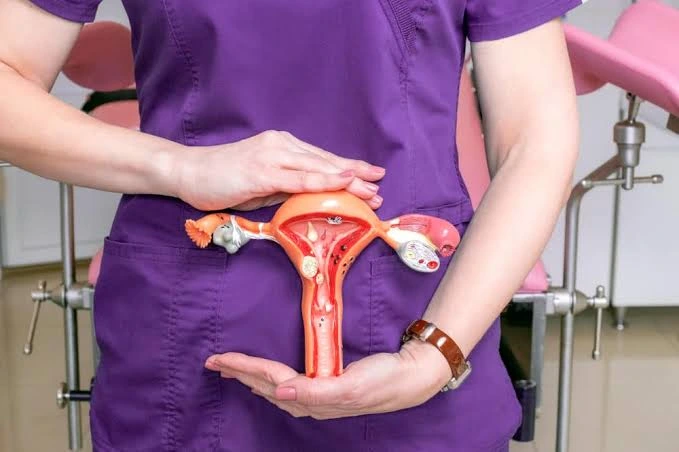
Infertility does not necessarily mean that pregnancy is impossible. Many underlying causes can be treated or managed, and some couples may conceive naturally after appropriate evaluation and treatment.
How Common Is Infertility in Women?
Infertility is a significant reproductive health concern worldwide and can affect individuals and couples across different age groups.
Female fertility depends on multiple biological processes occurring successfully, including ovulation, egg quality, open fallopian tubes, a healthy uterine environment and the ability of sperm and egg to meet and result in implantation.
Because several factors can contribute to infertility, identifying the underlying cause is an important part of treatment planning.
What Causes Infertility in Women?
Female infertility can have many causes. Some affect ovulation, while others involve the fallopian tubes, uterus, ovaries or hormonal system.
Age is also an important factor because both the number and quality of eggs decline over time.
| Cause | How It May Affect Fertility |
| Ovulation disorders | May prevent regular release of an egg |
| PCOS | Can cause irregular or absent ovulation |
| Endometriosis | May affect pelvic structures and fertility |
| Blocked fallopian tubes | Can prevent sperm and egg from meeting |
| Fibroids | May affect the uterine environment in some cases |
| Adenomyosis | May be associated with reproductive difficulties |
| Diminished ovarian reserve | Indicates a reduced number of remaining eggs |
| Age-related fertility decline | Egg quantity and quality decrease with age |
| Thyroid disorders | Can interfere with reproductive function |
| Uterine abnormalities | May affect implantation or pregnancy |
| Previous pelvic infection | Can damage or block fallopian tubes |
Sometimes no single cause is identified despite appropriate testing. This is sometimes referred to as unexplained infertility.
Can PCOS Cause Infertility?
Yes. Polycystic ovary syndrome (PCOS) is one of the common causes of ovulation-related infertility.
Women with PCOS may have irregular or absent ovulation, which means that an egg may not be released regularly. Because ovulation is necessary for natural conception, irregular ovulation can make it more difficult to become pregnant.
However, having PCOS does not mean that pregnancy is impossible. Many women with PCOS conceive naturally or with appropriate fertility treatment.
Can Endometriosis Cause Infertility?
Endometriosis can contribute to fertility problems in some women.
The condition may cause inflammation, adhesions and changes involving the ovaries, fallopian tubes and surrounding pelvic structures. These changes can interfere with the normal processes required for conception.
Women with severe menstrual pain, chronic pelvic pain, painful intercourse or difficulty conceiving may benefit from gynecological evaluation for possible endometriosis.
Can Blocked Fallopian Tubes Cause Infertility?
Yes. Fallopian tubes play an important role in natural conception because they provide the pathway through which the egg and sperm meet.
If one or both tubes are blocked or damaged, the chance of natural conception may be reduced.
Fallopian tube problems can occur due to previous pelvic infections, endometriosis, pelvic surgery or other conditions.
| Fallopian Tube Condition | Possible Effect |
| One tube blocked | Natural conception may still be possible depending on other factors |
| Both tubes blocked | Natural conception may be significantly affected |
| Tubal damage | May interfere with movement of egg or embryo |
| Adhesions around tubes | Can affect normal reproductive function |
Tests such as hysterosalpingography or other tubal assessment methods may be recommended depending on the clinical situation.
Can Fibroids Cause Infertility?
Uterine fibroids are non-cancerous growths that develop in or around the uterus.
Many women with fibroids can conceive normally. However, certain fibroids, particularly those that distort the uterine cavity, may affect fertility or pregnancy outcomes.
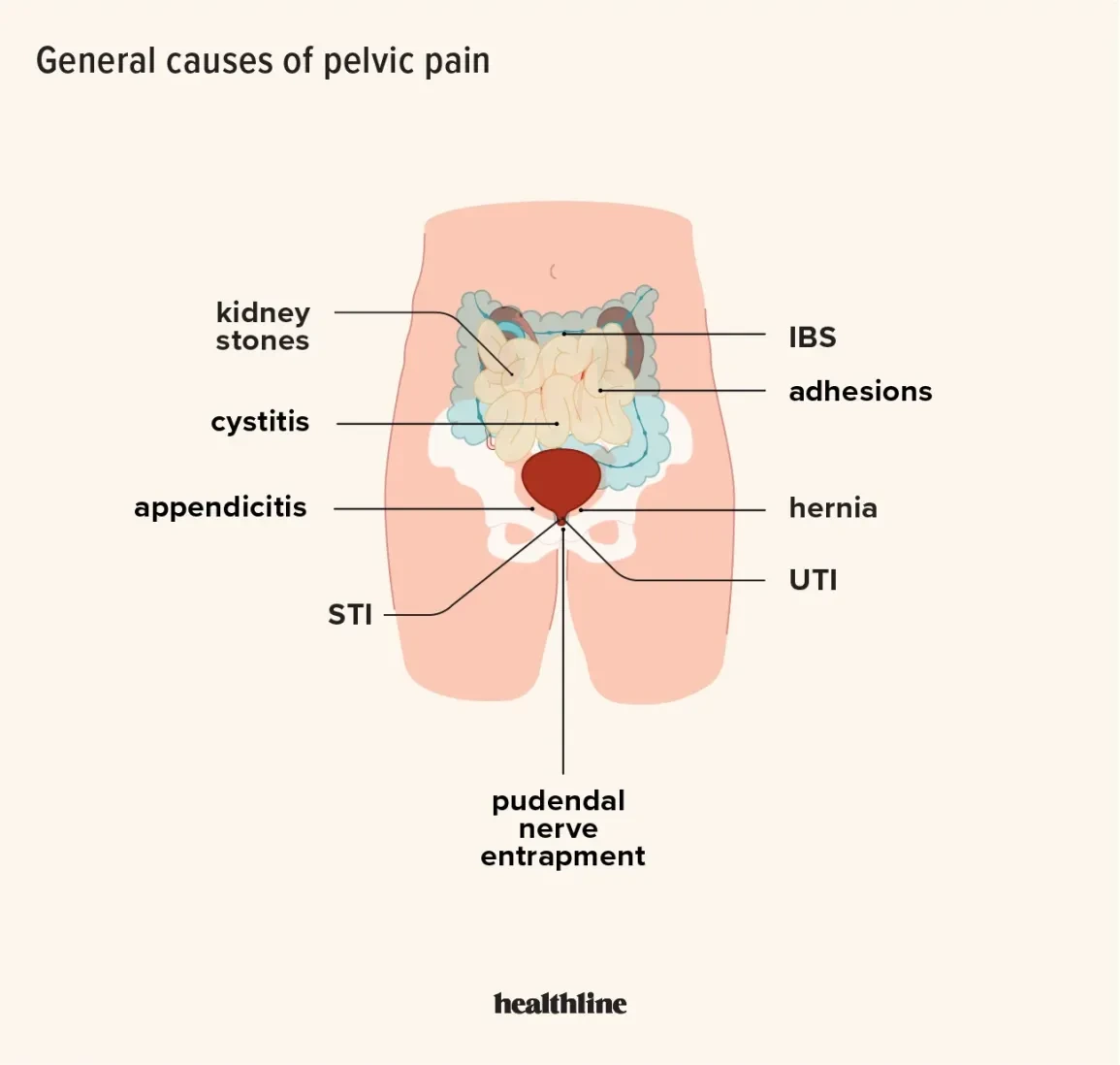
The effect depends on the size, number and location of fibroids. A gynecologist may use ultrasound and other investigations to determine whether fibroids are relevant to a woman’s fertility concerns.
Can Thyroid Problems Cause Infertility?
Thyroid hormones play an important role in reproductive health.
Thyroid disorders can affect menstrual cycles and ovulation and may therefore contribute to difficulty conceiving.
Women experiencing irregular periods, unexplained fertility problems or symptoms suggestive of thyroid dysfunction may be advised to undergo thyroid testing as part of their fertility evaluation.
Does Age Affect Female Fertility?
Yes. Female fertility generally declines with increasing age.
The decline is associated primarily with changes in the number and quality of eggs. The rate of decline varies between individuals, but age is an important consideration when evaluating fertility.
This is one reason women aged 35 years or older are generally advised not to delay fertility evaluation if pregnancy does not occur after several months of trying.
What Are the Signs of Infertility in Women?
Infertility itself may not cause obvious physical symptoms. The primary sign is difficulty achieving pregnancy despite regular, unprotected sexual intercourse.
However, certain symptoms may suggest an underlying reproductive or hormonal problem.
| Symptom | Possible Association |
| Irregular periods | May indicate an ovulation problem |
| Absent periods | May indicate significant hormonal or reproductive disturbance |
| Very painful periods | May occur with endometriosis or other conditions |
| Pelvic pain | May indicate an underlying pelvic condition |
| Excessive hair growth or acne | Can occur with hormonal disorders such as PCOS |
| Previous pelvic infection | May increase risk of tubal problems |
| History of pelvic surgery | May contribute to adhesions or tubal problems |
| Difficulty conceiving | Main concern prompting fertility evaluation |
These symptoms do not diagnose infertility on their own, but they can provide important clues during medical evaluation.
How Is Infertility in Women Diagnosed?
Female infertility evaluation begins with a detailed medical and reproductive history.
A gynecologist may ask about menstrual cycle regularity, previous pregnancies, duration of trying to conceive, pelvic pain, previous infections or surgeries, medications and other health conditions.
The evaluation may include blood tests, ultrasound and other fertility-related investigations depending on the individual situation.
Importantly, fertility evaluation should not focus only on the woman. Male-factor infertility is also common, and evaluation of the male partner may be recommended.
What Tests Are Done for Female Infertility?
The tests required depend on the woman’s age, menstrual pattern, medical history and fertility concerns.
| Test | Purpose |
| Pelvic ultrasound | Evaluates uterus and ovaries |
| Ovulation assessment | Helps determine whether ovulation is occurring |
| Thyroid testing | Evaluates thyroid-related reproductive problems |
| Hormonal testing | May assess reproductive hormone function |
| Ovarian reserve testing | May provide information about egg quantity |
| Tubal patency testing | Determines whether fallopian tubes are open |
| Uterine evaluation | Assesses the uterine cavity and structure |
Not every woman requires every test. Investigations should be selected based on clinical findings.
Is Ultrasound Important in Infertility Evaluation?
Yes. Pelvic ultrasound is commonly used during the evaluation of female fertility.
Ultrasound can provide information about the uterus, endometrium and ovaries. It can help identify conditions such as fibroids, ovarian cysts, polycystic-appearing ovaries and other structural abnormalities.
Ultrasound may also be used to monitor follicular development in certain fertility treatment plans.
However, ultrasound is only one part of a complete fertility evaluation.
How Is Ovulation Checked?
Ovulation can be assessed in several ways depending on the woman’s menstrual cycle and clinical situation.
Cycle history can provide an initial indication of whether ovulation is likely to be occurring regularly. Blood tests may sometimes be used to assess hormonal changes associated with ovulation.
Ultrasound follicular monitoring can also be used to observe follicle development and help determine whether ovulation is occurring.
The most appropriate approach depends on the woman’s menstrual pattern and fertility history.
What Is Ovarian Reserve?
Ovarian reserve refers to the remaining quantity of eggs in the ovaries.
Tests such as anti-Müllerian hormone (AMH), antral follicle count on ultrasound and other assessments may provide information about ovarian reserve.
However, ovarian reserve testing does not provide a simple prediction of whether a woman can or cannot become pregnant naturally. Age, egg quality, ovulation, tubal health and partner-related factors also influence fertility.
Can Low AMH Cause Infertility?
AMH is a marker that can provide information about ovarian reserve.
A low AMH level may indicate a lower number of remaining eggs, but it does not by itself mean that natural pregnancy is impossible.
Fertility decisions should not be based solely on one laboratory value. AMH needs to be interpreted along with age, menstrual history, ultrasound findings and other fertility factors.
What Is the Treatment for Infertility in Women?
Treatment depends entirely on the underlying cause.
Some women may benefit from medicines that help induce ovulation, while others may require treatment for thyroid disorders, endometriosis, fibroids or other reproductive conditions.
When the fallopian tubes are blocked or when other factors significantly affect natural conception, assisted reproductive techniques may be considered.
| Treatment | Possible Use |
| Ovulation-inducing medicines | For selected ovulation disorders |
| Hormonal treatment | For certain endocrine or reproductive problems |
| Treatment of thyroid disorders | When thyroid dysfunction affects fertility |
| Surgical treatment | For selected structural or pelvic conditions |
| Intrauterine insemination | May be considered in selected fertility situations |
| IVF | May be recommended for certain fertility problems |
| Lifestyle and nutritional support | Supports overall reproductive health |
The treatment plan should always be individualized.
Can Infertility Be Treated Without IVF?
Yes. IVF is not required for every woman experiencing infertility.
Depending on the cause, pregnancy may occur after lifestyle changes, treatment of an underlying medical condition, ovulation induction, timed intercourse or other fertility approaches.
IVF is generally considered when there are specific indications or when simpler treatments have not been successful.
The appropriate treatment depends on the couple’s age, diagnosis, fertility history and reproductive goals.
What Is Ovulation Induction?
Ovulation induction is a treatment used to stimulate ovulation in women who do not ovulate regularly.
It may be considered in conditions such as certain forms of PCOS or other ovulatory disorders.
Treatment typically requires medical supervision because the response to fertility medication needs to be monitored and the appropriate dose and timing need to be determined.
What Is IUI?
Intrauterine insemination, or IUI, is a fertility treatment in which prepared sperm is placed directly inside the uterus around the time of ovulation.
IUI may be considered in selected situations, depending on factors such as sperm parameters, ovulation, fallopian tube status and the woman’s age.
It is not appropriate for every cause of infertility.
What Is IVF?
In vitro fertilization, commonly known as IVF, is an assisted reproductive technique in which eggs are retrieved from the ovaries and fertilized with sperm in a laboratory.
The resulting embryo may then be transferred into the uterus.
IVF may be considered for certain causes of infertility, including some forms of tubal disease, severe male-factor infertility, advanced reproductive age or situations where other treatments have not been successful.
The decision to proceed with IVF should be based on an individualized fertility assessment.
When Should a Woman See a Gynecologist for Infertility?
The appropriate timing for fertility evaluation depends partly on age and medical history.
For women younger than 35, evaluation is generally considered after 12 months of regular unprotected intercourse without pregnancy. Women aged 35 or older are often advised to seek evaluation after 6 months.
Earlier consultation may be appropriate when periods are irregular or absent, there is known endometriosis, previous pelvic surgery, known tubal disease or other reproductive concerns.
| Situation | Recommended Approach |
| Woman under 35 trying for less than 12 months | Continue trying if there are no concerning factors |
| Woman under 35 trying for 12 months without pregnancy | Fertility evaluation is generally appropriate |
| Woman 35 or older trying for 6 months | Fertility evaluation is generally recommended |
| Irregular or absent periods | Earlier evaluation may be appropriate |
| Known endometriosis | Earlier fertility discussion may be useful |
| Known tubal problems | Fertility evaluation may be needed sooner |
| Previous pelvic surgery or infection | Discuss fertility assessment with a gynecologist |
Does Lifestyle Affect Female Fertility?
Lifestyle can influence overall reproductive health, although lifestyle changes cannot correct every cause of infertility.
Maintaining a healthy weight, eating a balanced diet, staying physically active, avoiding tobacco and limiting excessive alcohol consumption can support general health.
Adequate sleep and management of chronic health conditions are also important.
However, lifestyle measures should not delay medical evaluation when there is a clear fertility concern, particularly in women who are older or have known reproductive health conditions.
Does Being Overweight Affect Fertility?
Body weight can influence reproductive function.
Both significant excess weight and being significantly underweight can affect hormone balance and ovulation in some women.
For women whose fertility is affected by weight-related hormonal changes, gradual and medically appropriate weight management may improve reproductive function.
The appropriate target depends on individual health and should be discussed with a healthcare professional.
Can Stress Cause Infertility?
Stress can affect overall well-being and may influence reproductive behavior, sleep and hormonal patterns in some circumstances.
However, infertility should not be blamed simply on stress.
If pregnancy is not occurring despite regular unprotected intercourse, medical evaluation is important to identify or rule out biological causes.
Can Infertility Be Caused by Both Partners?
Yes. Fertility problems can involve female factors, male factors, both partners or sometimes no clearly identifiable cause.
Male-factor infertility can involve sperm count, sperm movement, sperm morphology or other reproductive factors.
For this reason, fertility evaluation is often most effective when both partners are assessed when appropriate.
What Is Unexplained Infertility?
Unexplained infertility refers to situations where standard fertility testing does not identify a clear cause of difficulty conceiving.
This does not mean that nothing is wrong. Some fertility problems may not be detectable with routine testing.
Treatment options for unexplained infertility depend on factors such as age, duration of infertility and previous fertility history.
Infertility Treatment in Indore With Dr. Yogita Gautam
Women searching for infertility treatment in Indore can consult Dr. Yogita Gautam – Gynecologist in Indore for evaluation of menstrual irregularities, ovulation problems, PCOS, pelvic conditions and other concerns related to female fertility.
Her clinic is located at G1, 158-159, Shakti Tower, near Shakuntala Hospital, Sector A, Goyal Nagar, Indore, Madhya Pradesh 452001.
A gynecological consultation can help assess menstrual history, reproductive health and possible causes of difficulty conceiving. Depending on the clinical situation, the doctor may recommend ultrasound, blood tests, ovulation assessment or other fertility investigations.
For appointment-related information, patients can contact the clinic at 099772 13545.
Patients from Indore and nearby areas, including Dewas, can also visit the Indore clinic for gynecological consultation regarding fertility concerns.
Why Early Infertility Evaluation Matters
Infertility can become emotionally and physically challenging, particularly when couples continue trying to conceive without understanding why pregnancy is not occurring.
Early evaluation can be particularly valuable when a woman has irregular periods, severe menstrual pain, a history of endometriosis, previous pelvic surgery, known reproductive conditions or increasing age.
Understanding the underlying cause allows treatment to be tailored to the specific fertility problem rather than relying on assumptions.
Frequently Asked Questions About Infertility in Women
What is infertility in women?
Female infertility refers to difficulty achieving pregnancy despite regular, unprotected sexual intercourse for an appropriate period. It may result from ovulation problems, tubal problems, uterine conditions, endometriosis, age-related fertility decline or other factors.
How long should I try before seeing a gynecologist?
Women under 35 are generally advised to seek fertility evaluation after 12 months of trying without pregnancy. Women aged 35 or older are generally advised to seek evaluation after 6 months. Earlier assessment may be appropriate when risk factors are present.
Can PCOS cause infertility?
Yes. PCOS can interfere with regular ovulation and therefore make conception more difficult. However, many women with PCOS can become pregnant with appropriate management.
Can endometriosis cause infertility?
Yes. Endometriosis can affect fertility through inflammation, adhesions and changes involving the ovaries or fallopian tubes. The severity of fertility impact varies between women.
Can blocked fallopian tubes cause infertility?
Yes. Blocked or damaged fallopian tubes can prevent the sperm and egg from meeting naturally. Tubal testing may be recommended when clinically appropriate.
Does age affect female fertility?
Yes. Female fertility generally declines with age, largely because the number and quality of eggs decrease over time.
Can infertility be treated?
Yes. Treatment depends on the cause and may include medication, ovulation induction, treatment of underlying medical conditions, surgery in selected cases, IUI or IVF.
Does every infertile woman need IVF?
No. IVF is only one of several fertility treatment options. Some women may conceive with treatment of an underlying condition or simpler fertility approaches.
Can infertility be treated naturally?
Some lifestyle measures can support general reproductive health, but they cannot treat every cause of infertility. Medical evaluation is important when pregnancy is not occurring within the expected timeframe.
Can stress cause infertility?
Stress can influence overall health and reproductive well-being, but infertility should not simply be attributed to stress. Medical causes should be evaluated when pregnancy is not occurring.
Can a woman with low AMH become pregnant?
Yes. A low AMH level does not automatically mean that pregnancy is impossible. AMH is only one measure of ovarian reserve and must be interpreted alongside age and other fertility factors.
What tests are done for female infertility?
Depending on the individual situation, evaluation may include pelvic ultrasound, ovulation assessment, hormone and thyroid testing, ovarian reserve assessment and testing of fallopian tube patency.
Is ultrasound useful for infertility?
Yes. Pelvic ultrasound can assess the uterus and ovaries and may help identify fibroids, ovarian cysts, polycystic ovarian morphology and other reproductive conditions. It can also be used for follicular monitoring in selected fertility treatments.
Can irregular periods cause infertility?
Irregular periods may indicate irregular ovulation, which can make conception more difficult. Conditions such as PCOS and thyroid disorders can contribute to irregular menstrual cycles.
Can fibroids cause infertility?
Certain fibroids, particularly those that distort the uterine cavity, may affect fertility. Many women with fibroids can still conceive, so the size and location of the fibroid are important.
What is unexplained infertility?
Unexplained infertility means that standard fertility testing has not identified a clear cause of difficulty conceiving. Treatment depends on factors such as age, duration of infertility and reproductive history.
Should the male partner also be tested?
Yes. Fertility problems can involve male factors, female factors or both. Evaluating both partners when appropriate can provide a more complete understanding of the fertility situation.
Where can I consult for infertility treatment in Indore?
Women looking for infertility treatment in Indore can consult Dr. Yogita Gautam – Gynecologist in Indore at G1, 158-159, Shakti Tower, near Shakuntala Hospital, Sector A, Goyal Nagar, Indore, Madhya Pradesh 452001.
What is the contact number for Dr. Yogita Gautam?
For appointment-related information, the clinic can be contacted at 099772 13545.
Can patients from Dewas visit Dr. Yogita Gautam in Indore?
Yes. Patients from Dewas and surrounding areas can visit the Indore clinic for gynecological consultation and evaluation of fertility concerns.
Conclusion
Infertility in women can have many different causes, and difficulty becoming pregnant does not necessarily mean that pregnancy is impossible. Ovulation disorders, PCOS, endometriosis, blocked fallopian tubes, uterine conditions, thyroid disorders, diminished ovarian reserve and age-related fertility changes are among the factors that may affect female fertility.
A proper fertility evaluation is important because treatment depends on the underlying cause. Depending on the diagnosis, treatment may involve lifestyle management, medication, ovulation induction, treatment of hormonal or structural problems, surgery in selected cases, IUI or IVF.
Women should also remember that fertility is a shared process. Male-factor infertility can contribute significantly to difficulty conceiving, so evaluation of both partners may be appropriate.
Women under 35 are generally advised to consider evaluation after 12 months of trying to conceive without pregnancy, while women aged 35 or older are generally advised to seek evaluation after 6 months. Earlier consultation may be appropriate when there are irregular periods, severe pelvic pain, endometriosis, previous pelvic surgery, known tubal problems or other fertility concerns.
Women looking for infertility treatment in Indore can consult Dr. Yogita Gautam – Gynecologist in Indore at G1, 158-159, Shakti Tower, near Shakuntala Hospital, Sector A, Goyal Nagar, Indore, Madhya Pradesh 452001. For appointment-related information, patients can contact 099772 13545.
Patients from Indore, Dewas and nearby areas experiencing difficulty conceiving can seek professional gynecological evaluation to understand the possible cause and discuss an appropriate treatment approach.