
Menopause symptoms and treatment are important topics for women approaching their 40s and 50s because menopause is a natural stage of life that can affect periods, sleep, mood, sexual health, bones and overall quality of life. Menopause occurs when menstrual periods stop permanently because ovarian hormone production declines. It is generally confirmed after a woman has gone without a menstrual period for 12 consecutive months. The transition leading up to menopause is called perimenopause and may begin several years before the final menstrual period.
During this transition, hormone levels can fluctuate considerably, resulting in symptoms such as hot flashes, night sweats, irregular periods, sleep problems, mood changes, vaginal dryness, reduced sexual comfort and urinary symptoms. Not every woman experiences the same symptoms, and their intensity can vary significantly.
For women looking for professional guidance regarding menopause symptoms and treatment in Indore, Dr. Yogita Gautam – Gynecologist in Indore provides gynecological consultation at her clinic located at G1, 158-159, Shakti Tower, near Shakuntala Hospital, Sector A, Goyal Nagar, Indore, Madhya Pradesh 452001. Appointment-related information can be obtained by contacting 099772 13545.
What Is Menopause?
Menopause is the stage of a woman’s life when menstrual periods permanently stop because the ovaries gradually produce less estrogen and other reproductive hormones.
According to the American College of Obstetricians and Gynecologists, menopause is confirmed after 12 months without a menstrual period. The average age of menopause is around 51, although the timing can vary between women. The transition toward menopause, known as perimenopause, commonly begins during the mid-40s.
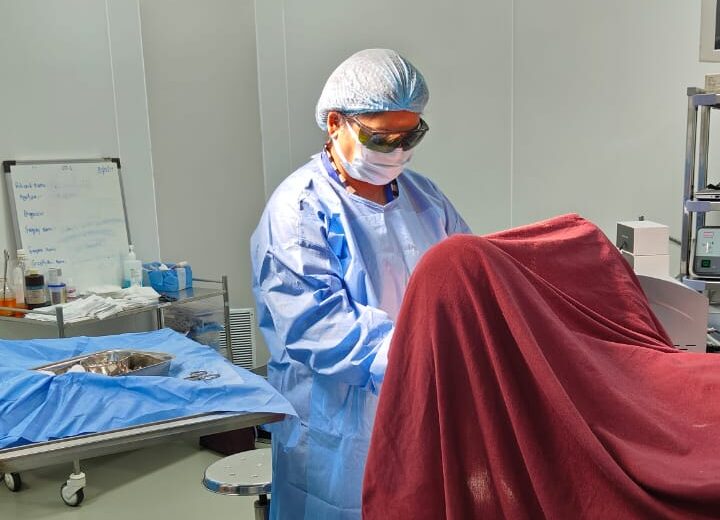
Menopause is not an illness. It is a natural biological transition. However, the hormonal changes associated with menopause can produce symptoms that significantly affect daily activities, sleep, emotional well-being, relationships and sexual health.
What Is Perimenopause?
Perimenopause is the transitional period before menopause when ovarian hormone production begins to change.
During perimenopause, menstrual cycles may become irregular. Periods can become shorter, longer, lighter or heavier, and symptoms such as hot flashes, night sweats, mood changes and sleep difficulties may begin.
A woman is considered to have reached menopause after she has had no menstrual period for 12 consecutive months. After this point, the stage is called postmenopause.
Understanding the difference between perimenopause and menopause is important because symptoms can begin before periods stop completely.
What Are the Common Symptoms of Menopause?
Menopause symptoms can affect several parts of the body. Hot flashes and night sweats are among the most recognized symptoms, but menopause can also affect sleep, mood, sexual health, vaginal and urinary health, and physical comfort.
Common symptoms include irregular periods during perimenopause, hot flashes, night sweats, sleep disturbances, mood changes, anxiety or low mood, vaginal dryness, discomfort during sex and urinary symptoms. Joint discomfort and changes in sexual desire may also occur during the menopausal transition.
| Menopause Symptom | What It May Feel Like |
| Hot flashes | Sudden sensation of heat, often involving the face, neck or upper body |
| Night sweats | Excessive sweating during sleep |
| Irregular periods | Periods becoming unpredictable, lighter, heavier or less frequent |
| Sleep problems | Difficulty falling asleep or staying asleep |
| Mood changes | Irritability, anxiety, low mood or emotional changes |
| Vaginal dryness | Dryness, burning or irritation in the vaginal area |
| Pain during sex | Discomfort associated with vaginal dryness or tissue changes |
| Urinary symptoms | Increased urgency, frequency or recurrent urinary discomfort |
| Reduced libido | Decreased interest in sexual activity |
| Joint or muscle discomfort | Aches or stiffness that may develop during the transition |
Symptoms differ from woman to woman, and some women experience only a few symptoms while others experience several simultaneously.
What Causes Menopause Symptoms?
The main underlying cause of menopause symptoms is the gradual decline and fluctuation of ovarian hormones, particularly estrogen.
As the ovaries become less active, estrogen and progesterone levels change. These hormonal changes can affect the body’s temperature regulation, reproductive tissues, sleep patterns, mood and bone health.
The hormonal transition does not happen at exactly the same speed in every woman. This is one reason why one woman may experience significant hot flashes while another may mainly experience sleep disturbances or menstrual changes.
What Are Hot Flashes During Menopause?
Hot flashes are sudden feelings of warmth that can occur during perimenopause and menopause.
They may involve the face, neck and upper chest and can be accompanied by sweating, flushing or a feeling of discomfort. Hot flashes are considered one of the characteristic vasomotor symptoms associated with the menopausal transition.
Some women experience occasional hot flashes, while others may have frequent episodes that interfere with work, sleep and social activities.
Why Do Night Sweats Happen During Menopause?
Night sweats are hot flashes that occur during sleep and can cause significant sweating.
They can interrupt sleep repeatedly, leaving a woman tired or irritable during the day. Persistent sleep disruption can then affect concentration, mood and overall quality of life.
If night sweats are severe, persistent or associated with other unexplained symptoms, a medical consultation is useful because not every episode of night sweating is necessarily caused by menopause.
Can Menopause Cause Sleep Problems?
Yes. Sleep problems are common during the menopausal transition.
Night sweats can directly interrupt sleep, while hormonal changes, mood symptoms and other factors can also contribute to difficulty falling asleep or staying asleep. A woman may therefore feel tired even after spending an adequate amount of time in bed.
Addressing the underlying menopause symptoms can sometimes improve sleep, while sleep hygiene and other supportive measures may also be helpful.
Can Menopause Cause Anxiety and Mood Changes?
Mood changes can occur during perimenopause and menopause.
Hormonal fluctuations, poor sleep, hot flashes, personal circumstances and the physical changes associated with menopause can all contribute to changes in emotional well-being. Some women may experience increased irritability, anxiety or low mood.
Persistent depression, severe anxiety or thoughts of self-harm should not simply be attributed to menopause and require appropriate professional assessment.
Can Menopause Cause Vaginal Dryness?
Yes. Declining estrogen levels can affect vaginal tissues and may cause dryness, irritation or discomfort.
Vaginal dryness can also contribute to pain during sexual intercourse. These symptoms can continue after menopause and may become more noticeable over time.
Treatment can include vaginal moisturizers, lubricants and, when medically appropriate, local vaginal estrogen or other prescription treatments.
Can Menopause Affect Sexual Desire?
Changes in sexual desire can occur around menopause, although there is not always a single cause.
Vaginal dryness and painful intercourse can reduce sexual comfort, while sleep problems, mood changes, relationship factors, stress and general health can also influence libido. A medical consultation can help determine whether symptoms are related to menopause or another underlying issue.
In selected women, testosterone treatment may be considered by a specialist for low sexual desire, although it is not appropriate for everyone.
Can Menopause Cause Urinary Symptoms?
Changes in the vaginal and urinary tissues after estrogen levels decline can contribute to urinary symptoms.
Some women may experience increased urinary frequency, urgency or recurrent urinary discomfort. Vaginal estrogen can be an option for certain menopause-related vaginal and urinary symptoms after medical assessment.
Urinary burning, fever, blood in urine or persistent urinary symptoms should not automatically be assumed to be caused by menopause because infections and other urinary conditions may require separate treatment.
Does Menopause Cause Weight Gain?
Many women notice changes in body composition and weight around midlife, but weight changes during this period are influenced by multiple factors.
Age-related changes in muscle mass, physical activity, diet, sleep, stress and hormonal changes can all contribute. Menopause itself should therefore not be considered the sole explanation for every change in weight.
A balanced diet, regular physical activity and strength-based exercise can support overall health during and after menopause.
Does Menopause Affect Bone Health?
Yes. Declining estrogen levels are associated with increased bone loss around menopause.
Bone health becomes particularly important during and after menopause because osteoporosis can increase the risk of fractures. Lifestyle measures such as weight-bearing and resistance exercise, adequate calcium and vitamin D intake, avoiding smoking and maintaining a healthy lifestyle can support bone health.
Depending on age, risk factors and medical history, a doctor may recommend assessment of bone health.
How Is Menopause Diagnosed?
For women around the typical age of menopause who have characteristic symptoms and menstrual changes, menopause is often diagnosed clinically.
Menopause itself is confirmed after 12 consecutive months without menstruation. Additional testing is not always necessary for every woman. However, laboratory tests may sometimes be considered when symptoms occur at an unusual age, the diagnosis is uncertain or another medical condition needs to be evaluated.
A gynecologist can evaluate symptoms, menstrual history, age, medical history and other factors to determine whether further testing is appropriate.
When Should You See a Gynecologist for Menopause Symptoms?
You should consider consulting a gynecologist when menopause symptoms are affecting your sleep, work, relationships, emotional health or daily activities.
A consultation can also be useful when periods become significantly irregular or heavy, symptoms appear earlier than expected, vaginal or urinary symptoms become troublesome, or you are considering hormone therapy.
Women who experience menopause before the expected age may require particular attention because early or premature menopause can have implications for bone and cardiovascular health and may require hormone treatment when appropriate.
What Is the Treatment for Menopause Symptoms?
There is no single menopause treatment that is appropriate for every woman.
Treatment depends on the symptoms, age, medical history, presence or absence of a uterus, personal and family history, risk factors and individual preferences. Options can include hormone therapy, local vaginal treatments, non-hormonal medicines, psychological approaches and lifestyle measures.
| Treatment Approach | Common Purpose |
| Hormone therapy | Management of several menopause symptoms, particularly hot flashes and night sweats |
| Vaginal estrogen | Vaginal dryness and related genitourinary symptoms |
| Non-hormonal medicines | Selected hot flashes, mood or other symptoms |
| CBT | Can help with certain menopause-related symptoms such as low mood, anxiety and sleep difficulties |
| Lubricants and moisturizers | Relief from vaginal dryness and discomfort |
| Lifestyle measures | Support sleep, bone health, cardiovascular health and general well-being |
The most suitable treatment should be determined after individual medical assessment.
What Is Hormone Replacement Therapy for Menopause?
Hormone replacement therapy, commonly called HRT, is a treatment that replaces hormones that decline during menopause.
Estrogen is the main hormone used in HRT. Women who still have a uterus generally need a progestogen alongside systemic estrogen to protect the uterine lining. Women who have undergone hysterectomy may be able to use estrogen-only therapy, depending on their individual medical circumstances.
HRT can be delivered in several forms, including tablets, patches, gels and sprays. The choice depends on symptoms, health history and individual circumstances.
What Are the Benefits of HRT?
Systemic hormone therapy is considered one of the most effective treatments for bothersome hot flashes and night sweats.
It can also help with vaginal symptoms and can reduce bone loss associated with menopause.
However, HRT is not automatically suitable for every woman. The benefits and risks depend on factors including age, medical history, type of HRT, route of administration, duration of treatment and individual risk factors.
Therefore, HRT should not be started, stopped or changed without discussing it with a qualified healthcare professional.
Is HRT Safe for Everyone?
No. HRT is not appropriate for everyone.
Certain medical conditions may make systemic hormone therapy unsuitable or require a different approach. ACOG notes that systemic hormone therapy is generally not recommended for women who have had certain hormone-sensitive cancers, stroke, heart attack, blood clots or liver disease. Individual assessment is essential.
This does not mean that a woman with a particular medical history has no treatment options. Non-hormonal treatments and localized treatments may be considered depending on the symptoms and clinical situation.
What Is Vaginal Estrogen?
Vaginal estrogen is a low-dose local estrogen treatment used primarily for symptoms affecting the vagina and nearby urinary tissues.
It can be available as a cream, vaginal tablet, pessary, gel or ring. It can help relieve vaginal dryness, irritation and discomfort associated with declining estrogen levels.
Vaginal estrogen works locally and is different from systemic hormone therapy. A gynecologist can determine whether this treatment is appropriate based on symptoms and medical history.
What Are Non-Hormonal Treatments for Menopause?
Women who cannot take HRT, prefer not to use hormones or require additional symptom management may have non-hormonal treatment options.
Depending on the symptoms, healthcare professionals may consider medicines such as certain antidepressants, clonidine or gabapentin. Cognitive behavioural therapy can also be useful for some menopause-related symptoms, including mood problems, anxiety, sleep difficulties and hot flashes.
The appropriate medicine depends on the individual woman and should be prescribed after considering other medications, medical conditions and potential side effects.
Can Lifestyle Changes Help Menopause Symptoms?
Lifestyle measures can support symptom management and general health during menopause.
Regular physical activity, including weight-bearing and resistance exercise, can support bone health. A balanced diet containing calcium-rich foods can also contribute to maintaining healthy bones. Avoiding smoking and limiting alcohol can further support long-term health.
Lifestyle measures may not completely eliminate moderate or severe symptoms, so medical treatment should not be avoided simply because lifestyle changes are being tried.
How Can Menopause Affect Bone Health?
Estrogen decline after menopause accelerates bone loss, making osteoporosis an important long-term health consideration.
Weight-bearing exercise such as walking and resistance training can support bone strength. Adequate calcium and vitamin D, healthy nutrition and avoiding smoking are also important.
Women with additional osteoporosis risk factors may require a more detailed assessment and, when appropriate, medical treatment to reduce fracture risk.
What Is the Difference Between Perimenopause and Menopause?
Perimenopause and menopause are related but different stages.
| Feature | Perimenopause | Menopause |
| Meaning | Transition toward menopause | Permanent end of menstrual periods |
| Periods | Often irregular | Have stopped |
| Hormones | Fluctuating | Remain at lower levels |
| Symptoms | May begin or increase | Symptoms may continue after periods stop |
| Confirmation | Based on symptoms and menstrual changes | 12 months without a period |
After menopause, the period without menstruation continues and the woman is considered postmenopausal.
What Is Early Menopause?
Early menopause refers to menopause occurring before age 45, while premature menopause generally refers to menopause occurring before age 40.
When menopause occurs earlier than expected, medical evaluation is particularly important. The cause may be natural, surgical, treatment-related or associated with other medical factors.
The NHS notes that women experiencing premature or early menopause may particularly benefit from hormone treatment or another appropriate hormonal approach unless there is a medical reason it cannot be used.
What Is Postmenopausal Bleeding?
Postmenopausal bleeding means vaginal bleeding occurring after a woman has gone without a menstrual period for 12 months.
Any vaginal bleeding after menopause should be medically evaluated, even if it happens only once or consists of light spotting. The NHS specifically recommends assessment of postmenopausal bleeding because, although it is often not serious, it can sometimes be associated with conditions that require early diagnosis.
Women should not assume that bleeding after menopause is simply a return of their period.
Menopause Consultation With Dr. Yogita Gautam in Indore
Women experiencing bothersome menopause symptoms may benefit from individualized gynecological consultation rather than trying to manage every symptom independently.
Dr. Yogita Gautam – Gynecologist in Indore provides gynecological consultation at G1, 158-159, Shakti Tower, near Shakuntala Hospital, Sector A, Goyal Nagar, Indore, Madhya Pradesh 452001.
A consultation can help women discuss irregular periods, hot flashes, night sweats, sleep difficulties, mood changes, vaginal dryness, painful intercourse, urinary symptoms and other concerns associated with perimenopause or menopause.
The clinic can be contacted at 099772 13545 for appointment-related information.
The clinic is located in Indore, and women from nearby areas, including Dewas, may also travel to Indore for gynecological consultation when required.
Why Individualized Menopause Treatment Matters
Menopause treatment should not be based solely on age or on what worked for another woman.
Two women of the same age can have completely different symptoms and different medical histories. One may need help primarily for hot flashes, another may require treatment for vaginal symptoms, while another may need evaluation of abnormal bleeding or bone-health risks.
The safest approach is to assess the woman’s symptoms, medical history, risk factors and treatment preferences before deciding on an appropriate management strategy.
Frequently Asked Questions About Menopause Symptoms and Treatment
What are the most common symptoms of menopause?
Common symptoms include hot flashes, night sweats, irregular periods during perimenopause, sleep problems, mood changes, anxiety or low mood, vaginal dryness, discomfort during sex and urinary symptoms.
At what age does menopause usually occur?
Menopause commonly occurs between approximately 45 and 55 years, with the average age around 51. However, individual timing can vary.
How do I know if I am in perimenopause?
Irregular periods combined with symptoms such as hot flashes, night sweats, sleep problems or mood changes may suggest perimenopause. A gynecologist can assess your age, menstrual history and symptoms to determine whether further evaluation is needed.
Can menopause cause hot flashes?
Yes. Hot flashes are one of the characteristic symptoms associated with the menopausal transition and are related to hormonal changes.
Can menopause cause vaginal dryness?
Yes. Declining estrogen levels can cause vaginal dryness, irritation and discomfort, including pain during sex. Vaginal moisturizers, lubricants and appropriate medical treatments can help.
Is HRT the best treatment for menopause?
HRT is one of the most effective treatments for bothersome vasomotor symptoms such as hot flashes and night sweats, but it is not suitable for every woman. The decision should be based on individual symptoms, age, medical history and risks.
Can menopause be treated without hormones?
Yes. Depending on the symptoms, non-hormonal medicines, cognitive behavioural therapy, vaginal moisturizers, lubricants and lifestyle measures may be used.
Can menopause cause sleep problems?
Yes. Hot flashes, night sweats, hormonal changes and mood symptoms can contribute to sleep difficulties during menopause.
Can menopause cause anxiety?
Some women experience anxiety or low mood during perimenopause and menopause. Persistent or severe anxiety should be professionally evaluated rather than automatically attributed to menopause.
Can menopause cause urinary problems?
Yes. Declining estrogen can contribute to vaginal and urinary symptoms. However, symptoms such as burning or fever may indicate an infection and require separate evaluation.
Does menopause increase the risk of osteoporosis?
Declining estrogen contributes to bone loss, making bone health particularly important after menopause. Exercise, appropriate nutrition and medical assessment when indicated can help reduce long-term risks.
Is vaginal estrogen the same as HRT tablets?
No. Vaginal estrogen is a low-dose local treatment designed primarily for vaginal and related urinary symptoms, whereas systemic HRT delivers hormones throughout the body.
Can menopause symptoms continue after periods stop?
Yes. Menopause-related symptoms can continue after the final menstrual period. The duration and combination of symptoms vary between women.
Is bleeding after menopause normal?
Any vaginal bleeding after 12 months without a period should be checked by a healthcare professional, even if it occurs only once or is very light.
Can women from Dewas consult Dr. Yogita Gautam in Indore?
Yes. Dr. Yogita Gautam – Gynecologist in Indore has her clinic at G1, 158-159, Shakti Tower, near Shakuntala Hospital, Sector A, Goyal Nagar, Indore, Madhya Pradesh 452001. Women from Dewas and nearby areas can travel to Indore for consultation when required.
Where is Dr. Yogita Gautam’s clinic located?
The clinic is located at G1, 158-159, Shakti Tower, near Shakuntala Hospital, Sector A, Goyal Nagar, Indore, Madhya Pradesh 452001.
What is the contact number for Dr. Yogita Gautam?
For appointment-related information, the clinic contact number is 099772 13545.
Conclusion
Menopause is a natural stage of a woman’s life, but its symptoms can sometimes significantly affect physical health, emotional well-being, sleep, relationships and daily activities. Hot flashes, night sweats, irregular periods, vaginal dryness, sleep problems, mood changes and urinary symptoms are among the common concerns associated with the menopausal transition.
The good news is that menopause symptoms can often be managed effectively. Treatment may include hormone therapy, local vaginal treatments, non-hormonal medicines, cognitive behavioural therapy, lifestyle modifications or a combination of approaches. The right option depends on the woman’s symptoms, age, medical history, risk factors and individual needs.
HRT can be highly effective for bothersome hot flashes and night sweats, but it is not appropriate for everyone. Similarly, vaginal estrogen may be useful for selected women with vaginal symptoms. These treatments should be discussed with a qualified gynecologist rather than started without medical guidance.
Women should also remember that postmenopausal bleeding should never be ignored. Any vaginal bleeding after 12 months without a period requires medical evaluation.
For women seeking professional guidance for menopause symptoms and treatment in Indore, Dr. Yogita Gautam – Gynecologist in Indore provides gynecological consultation at G1, 158-159, Shakti Tower, near Shakuntala Hospital, Sector A, Goyal Nagar, Indore, Madhya Pradesh 452001. For appointment-related information, patients can contact 099772 13545.
Women from Indore and surrounding areas, including Dewas, can visit the Indore clinic for appropriate gynecological evaluation and personalized guidance regarding perimenopause, menopause symptoms, hormone therapy and other women’s health concerns.